love & 1.25% for wildlife
BREAKING NEWS. Oregonians–Please speak up for Oregon’s Wildlife now: Tell Your Representative to Vote YES on 1.25% for Wildlife (HB 4134). This high priority bill in Oregon’s short legislative session is moving – the full House will vote on the bill (HB 4134 -1) on Wednesday, February 18th – please take a moment and let your Representative know how important funding wildlife and habitat conservation is to you! Thank you for speaking up for Oregon’s wildlife and our shared habitats!
The post below first appeared on my Substack.
I’ve always loved my alone time, even as I joyfully anticipate each reunion with my beloved Wes. In this month of his forays in Thailand and Japan with a Peace Corps friend, I added a new aphorism to my daily journal on Valentine’s Day:
Absence awakens the heart to the daily gifts that go unnoticed.
Just as a tree does not point out— “See, look at the oxygen I’ve exhaled for you”— Wes provides without need for recognition.
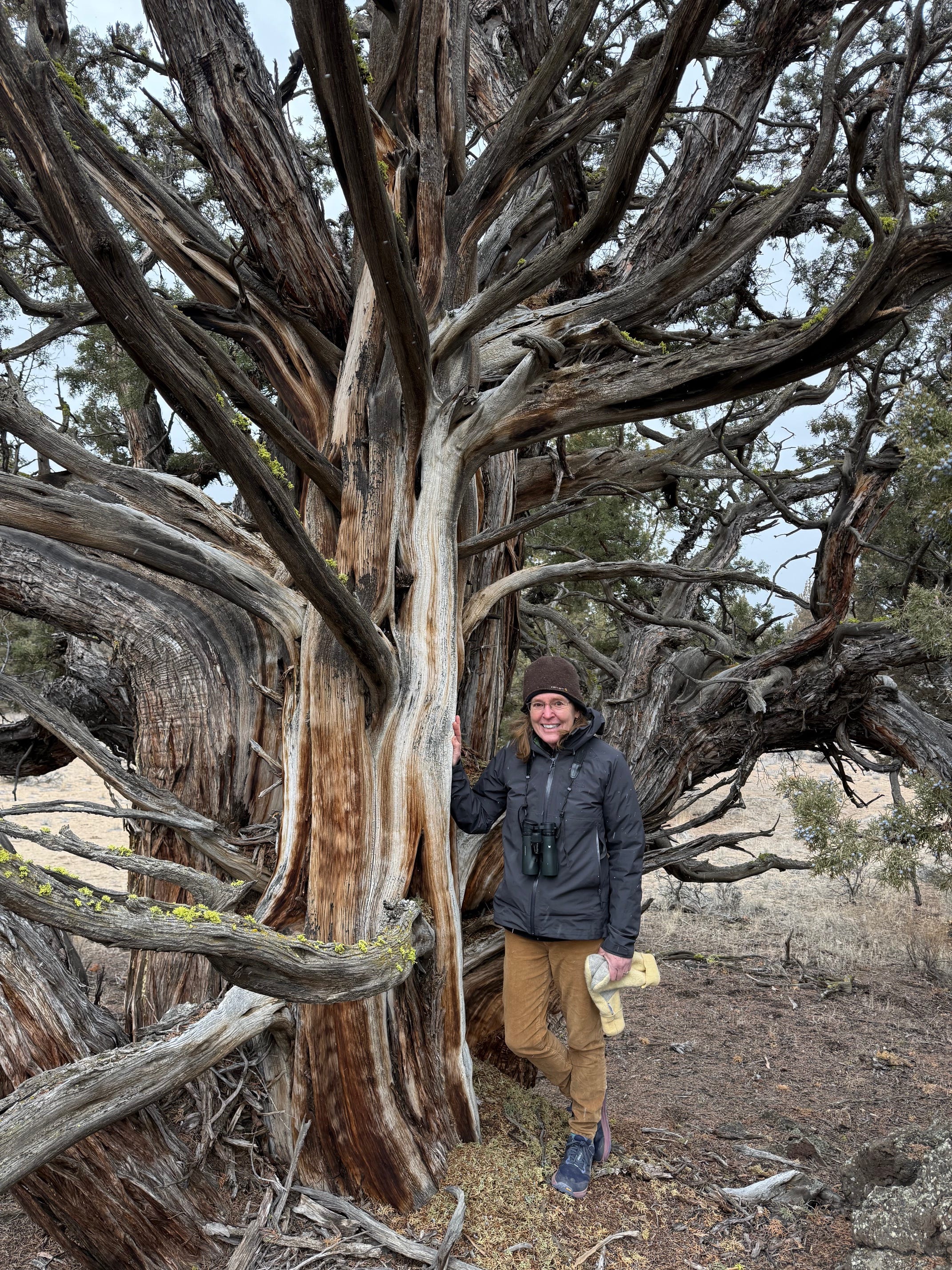
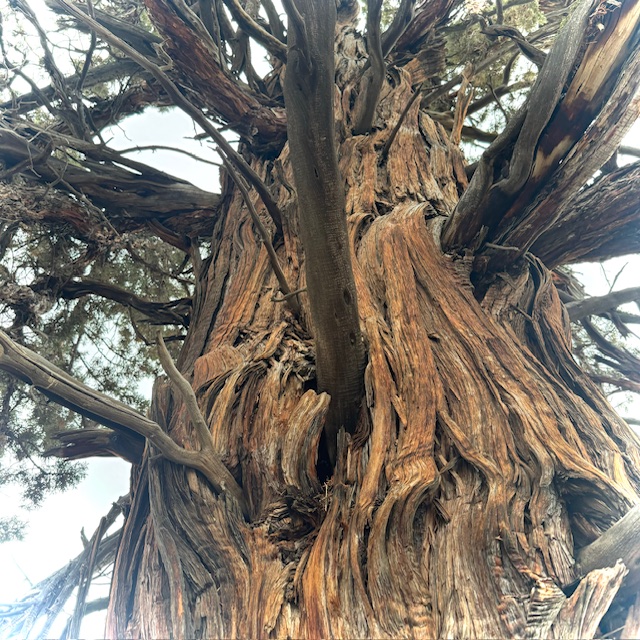
Above— Me in the presence of an ancient living western juniper of the Badlands Wilderness on February 16, 2026.
He accepts my absentminded ways without criticism and quietly steps in to make things right. I thought I’d become a bit less distracted in his presence over the years. This July will mark a decade since we met below the Eagle Cap Wilderness by Wallowa Lake at Fishtrap Writers Gathering.
However, in this latest interlude apart, I’ve unloaded the Prius of groceries and forgot to close a car door—twice now and even overnight. Kitchen cupboard doors seem to swing wide of their own accord. I’ve slid open the window by our woodstove to reach for another log (split and stacked by Wes before he left) and later felt a literal breeze enlivening the indoors. How many times has Wes closed doors and windows I’ve left open?
Wes is the breeze that carries me. In the stillness of his absence, I am breathing in his way of showing love. He does not sigh, roll his eyes, and wish I were more attentive to details. When I sent him a small poem I wrote on the subject, he replied in a message from far away Japan: “such minor imperfections, unremarkable amidst your outstanding beauty and sharing. I do love you always forever.”
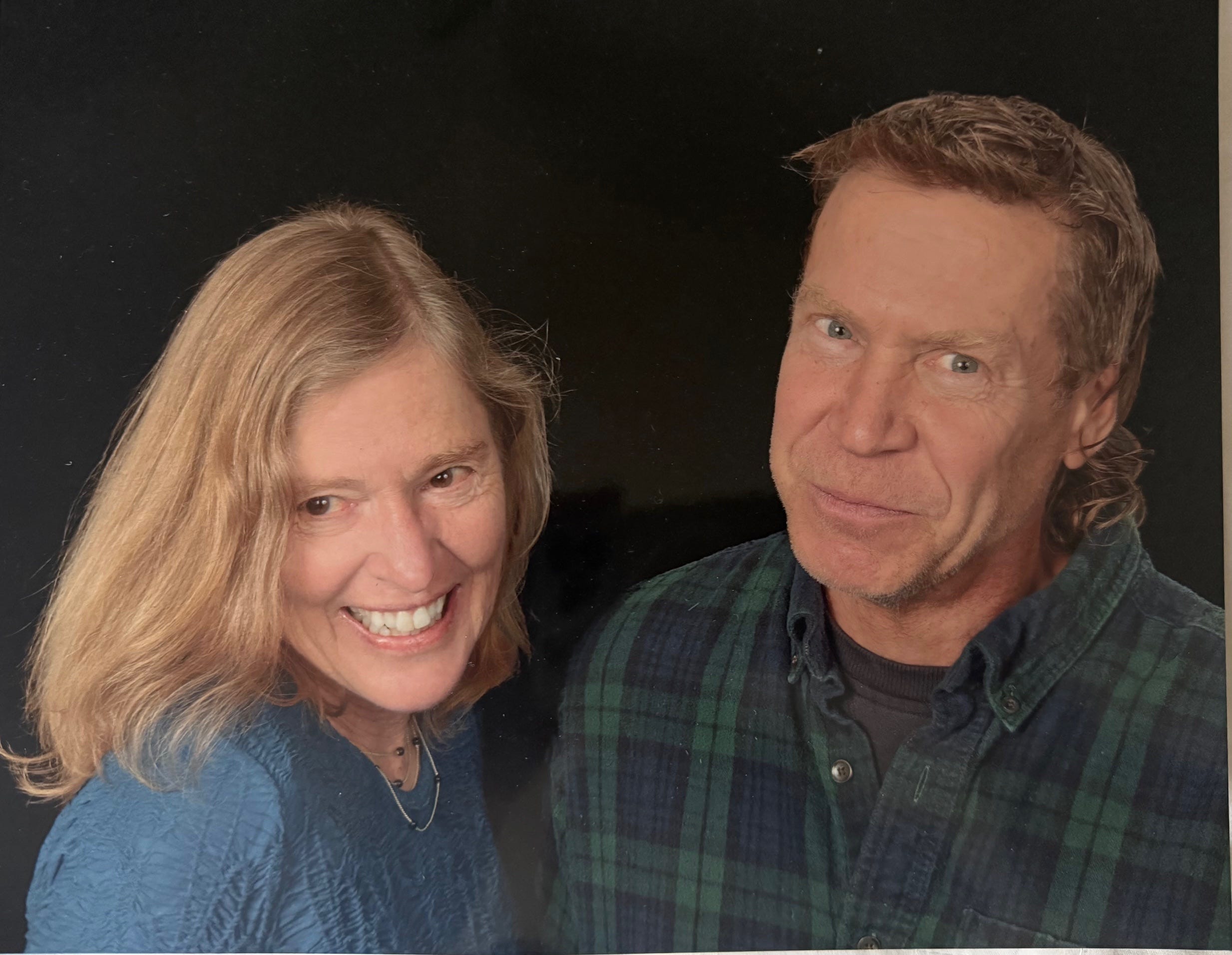
Above photo of us together in December, 2025—by Nancy Floyd
Nature is the quiet breeze that carries us all. How often do we stop to notice? In my upcoming 2026 book, Feathered Forest: Aloft with Birds in Ancient Trees, I write of exquisite relationships vital to life in our last wild and threatened forests of Cascadia. People may not realize it, but we depend on ancient forests for biodiversity, climate refugia, carbon capture and storage, rainmaking, resilience to wildfire, and for something far deeper in the realm of spirit, reverence, and wonder.
I can think of no better messengers than birds to bring to light the subtle gifts of feathered forests. Wild communities are interlocking, entwined, and engaged in a dynamic interplay, hinging on thousands of species often overlooked. The ecosystem is easily ruptured by short-term profit-driven forestry that ignores complexity and our own interdependence.
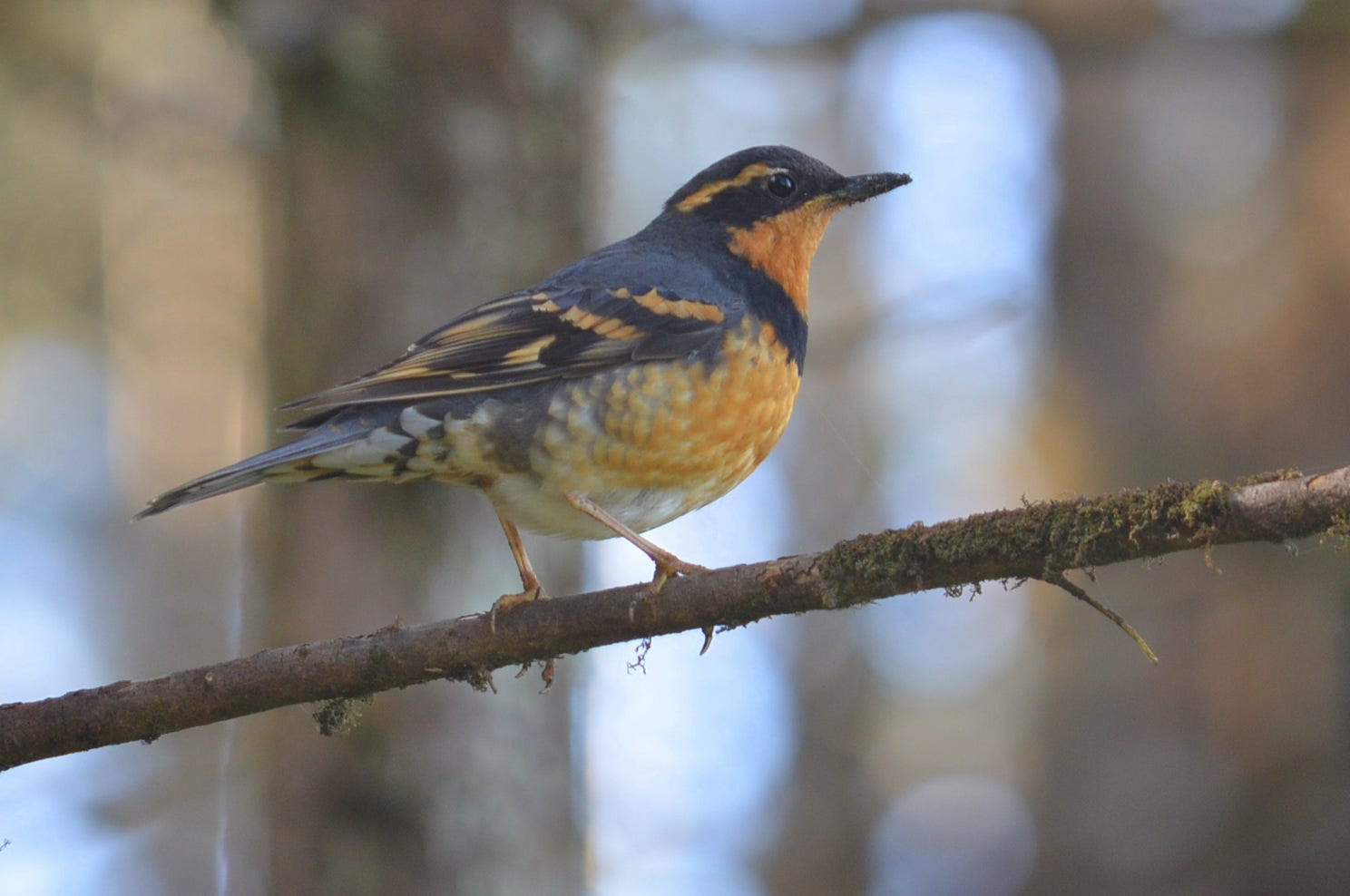
The life of a Varied Thrush (above) is interwoven with the shadowy and lush understory of an ancient forest. When we observe a thrush scruffing the soil for insects, the bird turns our attention to the living soil —the underpinning of terrestrial life. Did you know that in one square meter of leaf litter below a tree there may be from 50,000 to 500,000 mites—each smaller than a pencil tip and some only the width of two human hairs?. Unnoticed by us, they chew leaves that fungi and bacteria will then decompose—nurturing soil that nurtures all.
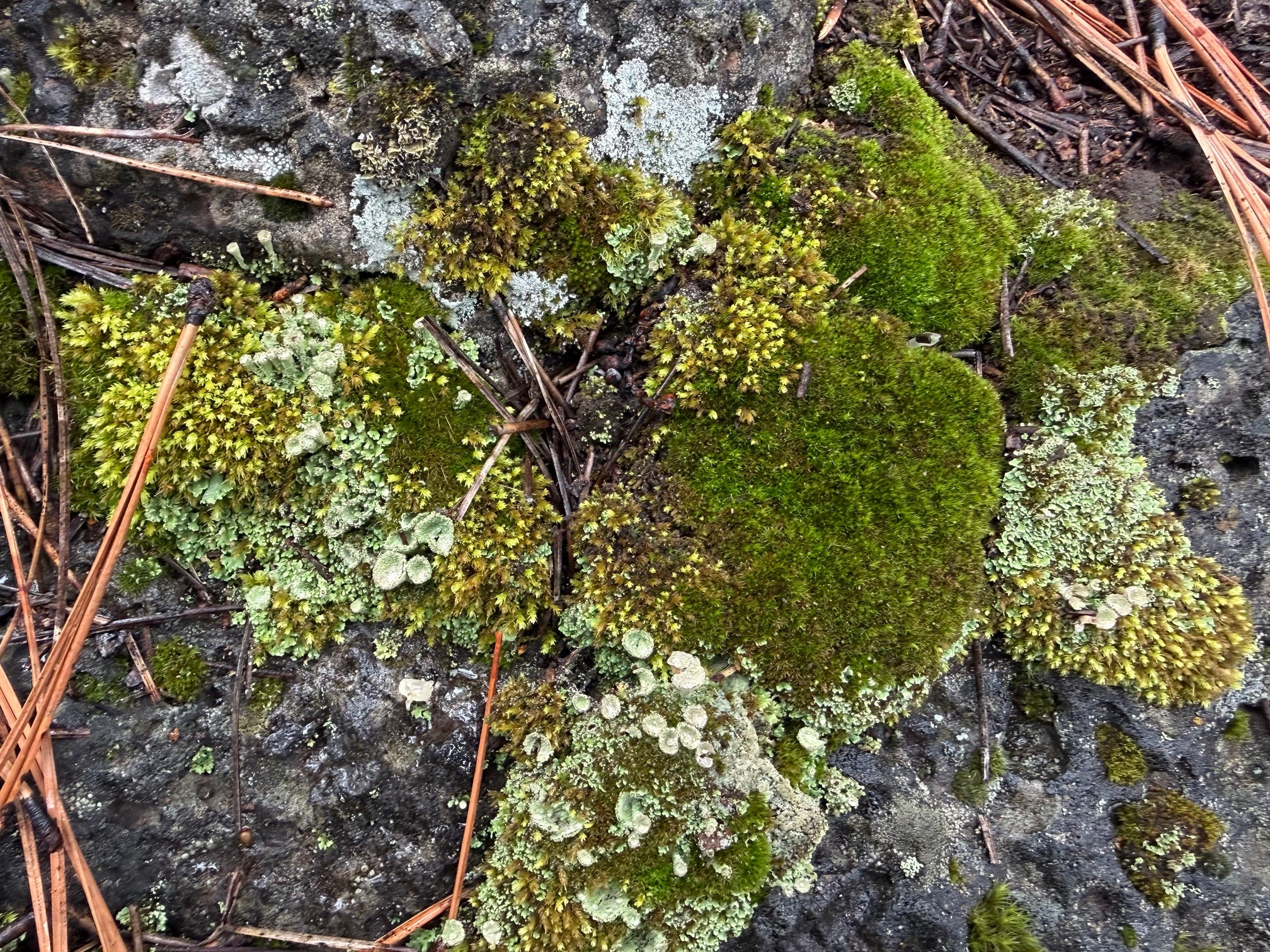
I may head out the door wearing one earring instead of two, but I do strive to practice attentiveness to the natural world. It is only through focus and slowing down that we can be aware. In our awareness, we know to be alarmed by the unraveling of ecosystems from logging, mining, overgrazing, development, and climate change. To notice is to be a participant, as I was one recent morning on hands and knees immersed in a miniature garden of moss and lichens on a lava rock in the pines behind our home.
Barry Lopez wrote this about his longtime home by the McKenzie River in his essay, “An Intimate Geography,” (within Embrace Fearlessly the Burning World):
Over the years, I have seen, heard, tasted, palpated, and smelled many remarkable things around the place. I do not recall a single day of attentiveness outdoors, in fact, when something unknown, something new, hasn’t flared up before me.”
Often, what becomes known is part of the invisible breeze that carries us. Returning to Wes, I am noticing, in his absence, the gifts he gives me daily and loving him all the more. I will not take him for granted—or the Earth’s life system ever more tattered and in need of our love.
In these troubled times, we cannot ignore Mother Earth—even when we feel overwhelmed by the barrage of atrocities coming from this Republican-led administration.
The good news is this. We have a positive step to take that has an excellent chance of becoming law —if a whole lot of us step up right now.
Enter Oregon’s 1.25% for Wildlife Bill, HB 4134— TAKE ACTION.
On this day, please take a few minutes to advocate for passage of a terrific bill with bipartisan support in the Oregon legislature during a short special session.
You don’t have to be a resident to speak up—folks outside our state should weigh in to show their willingness to invest in the future of wildlife in Oregon by raising the lodging tax a mere 1.25% (Oregon would still has the third lowest lodging tax in the nation). It’s basically the cost of a cup of coffee added to a typical one-night stay.
How many people come to Oregon for whales, puffins, marine mammals, and tidepools on the coast alone? Travel Oregon spreads photos far and wide to draw people here through promotion paid for by the existing lodging tax of 1.5%. It’s common sense to add a bit more to protect wildlife.
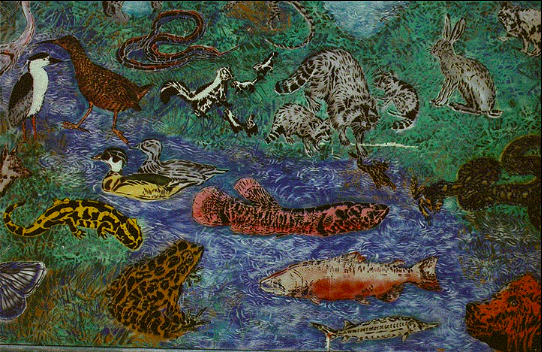
Today, 300 species in our state are at serious risk if we do not give Oregon Department of Fish and Wildlife the means to study, conserve, and restore imperiled wildlife and their habitats. The bill also includes funding for wildlife rehabilitation centers, helping ranchers address living with wolves, invasive species management, and a conservation corps to help reduce wildfire threats near and within communities.
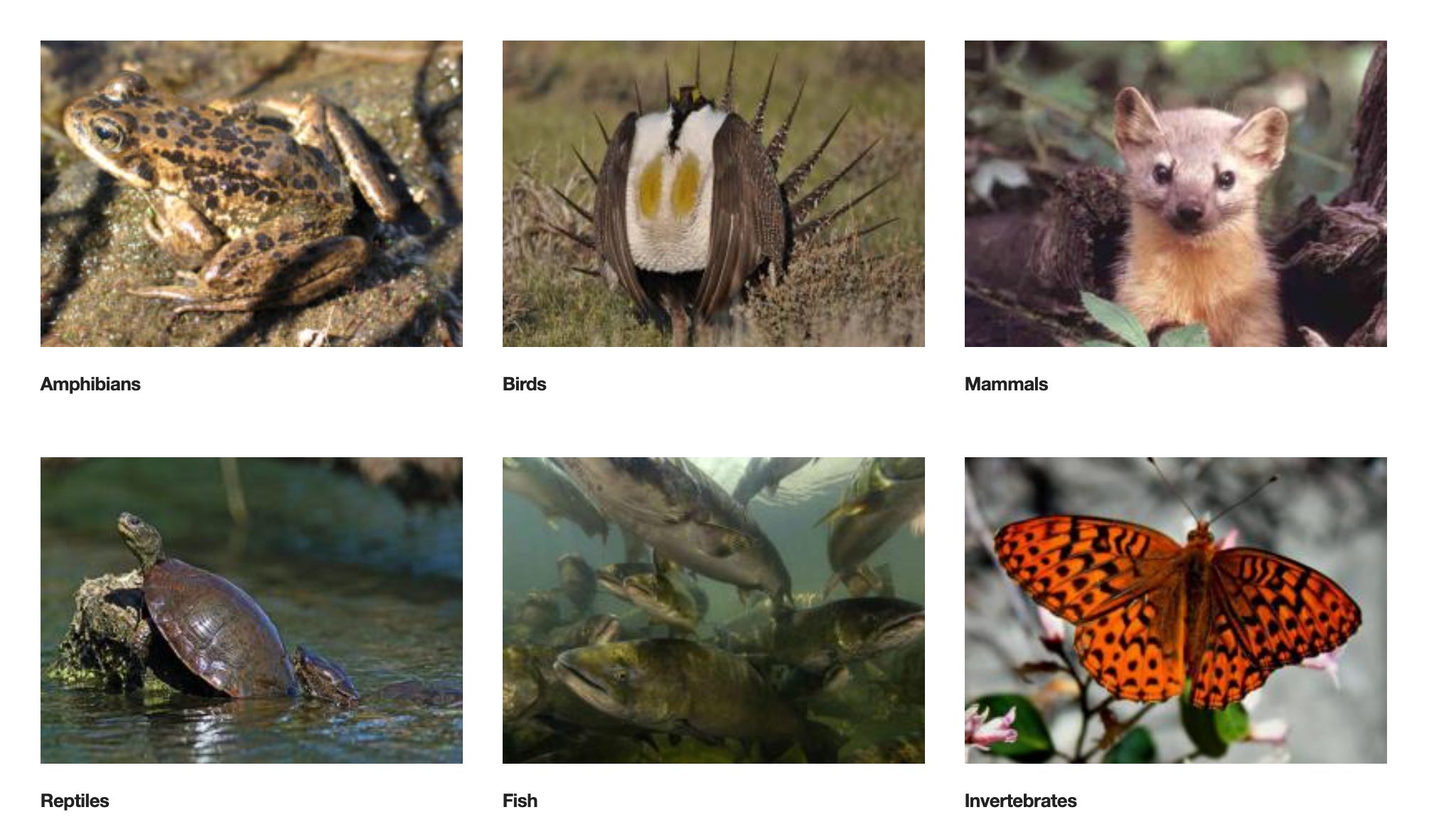
Above from Oregon Department of Fish & Wildlife. (The list of of species at risk has now grown to 300 ).
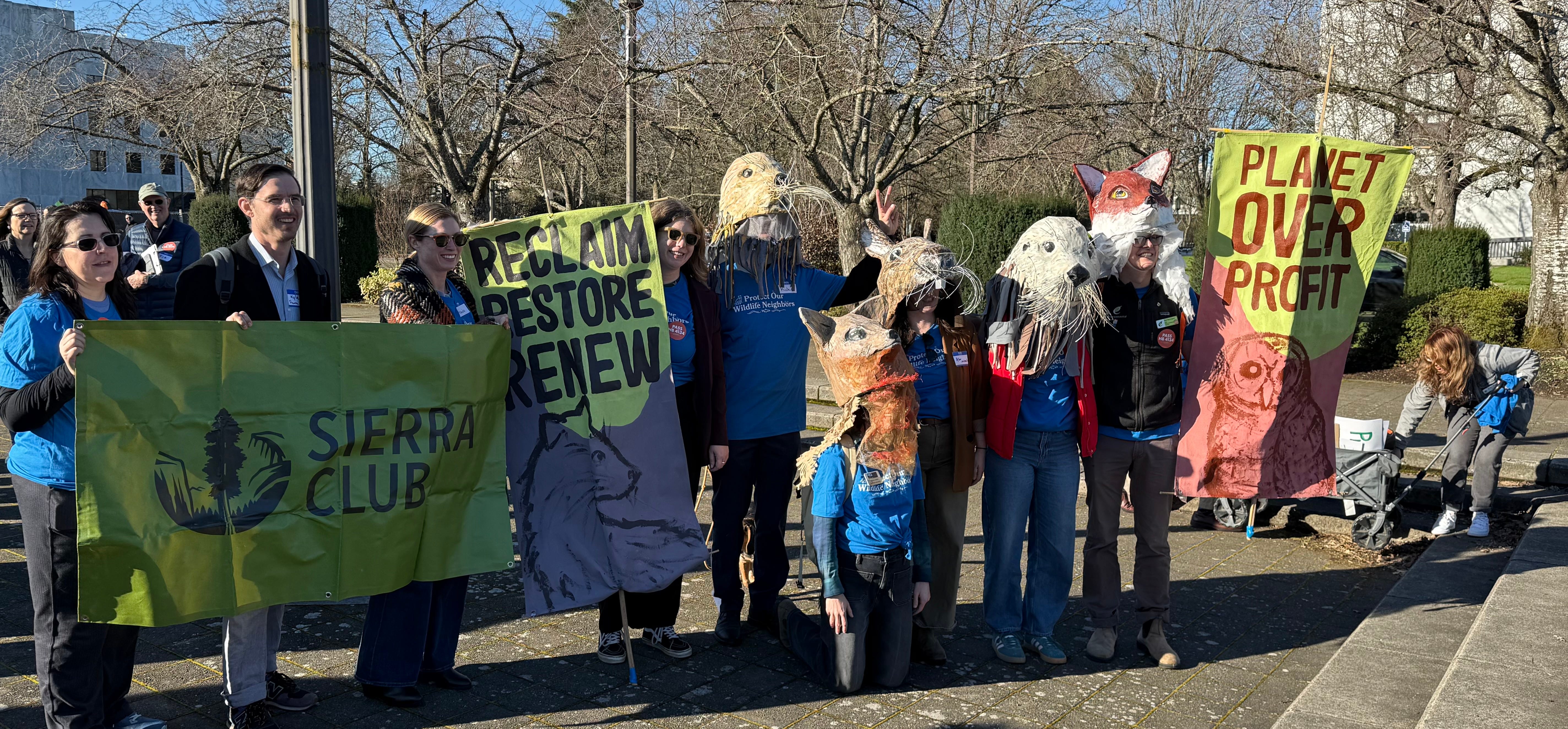
On February 11, I joined 260 + folks for a Wildlife Lobby Day in Salem. It was heartening, positive, and uplifting, especially witnessing middle school and high school students speaking up for their future with courage and passion.
Here’s to all the breezes that keep us aloft in life, love, and nature. And to returning unseen gifts with our breeze that can become a powerful wind for wildlife.
TAKE ACTION FOR WILDLIFE —EVEN IF YOU ONLY HAVE TWO MINUTES! —ADD YOUR NAME TO THE SUPPORT PETITION HERE.