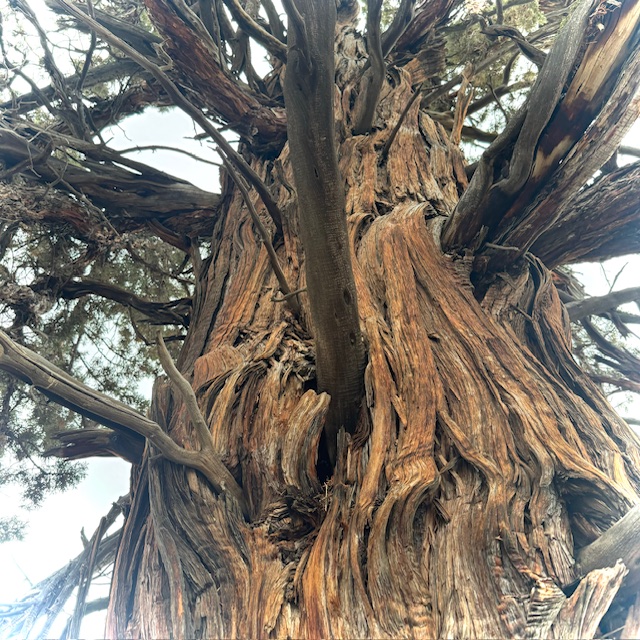
Wisdom of Ancient Western Junipers
“What would the Juniper hairstreak butterfly do without the tree that bears its name? How about the ferruginous hawk, other raptors and even golden eagles who build nests in the very top in which they raise their young, and the mule deer who use it as a thermal shelter in winter?” – Jim Anderson, naturalist and “champion of the natural world” (1928-2022)
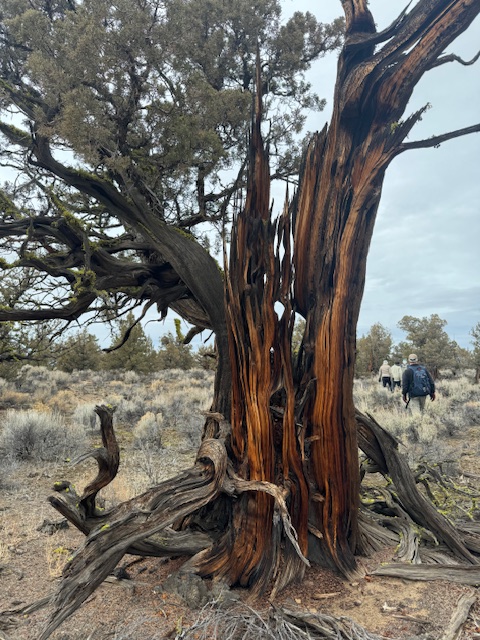
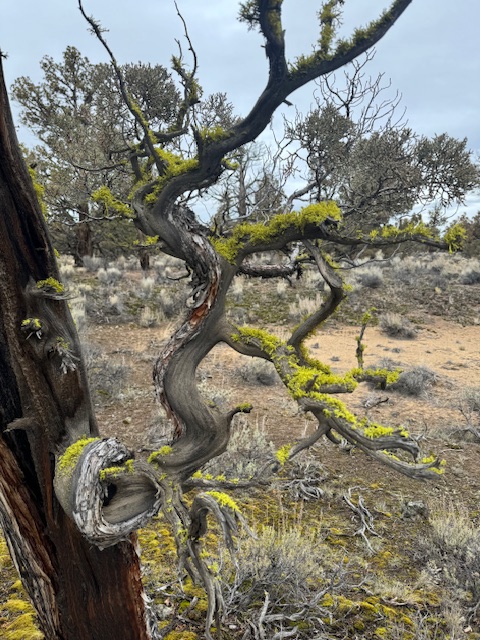
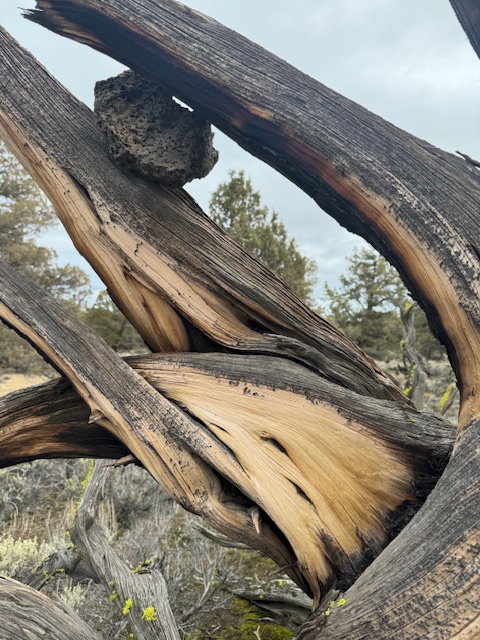
To live and grow in the high desert of Central Oregon for a thousand years and longer, focus on one living root to quench your thirst. Many of your great twisted limbs may die and break, yet all you need is a single snaking line of sustenance to the one branch.
Even your way of leafing is held tight to the twig, like the fine scales of sagebrush lizards also savvy in the art of dry living. You do not take too much. You think in the way of indigenous peoples –seven generations down the line, not all now, not all at once.
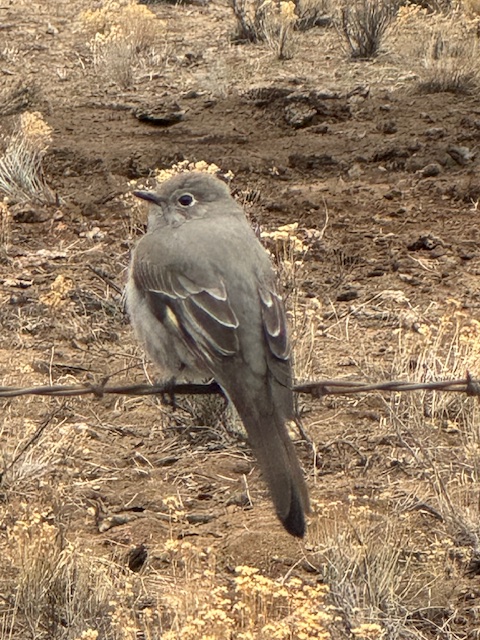
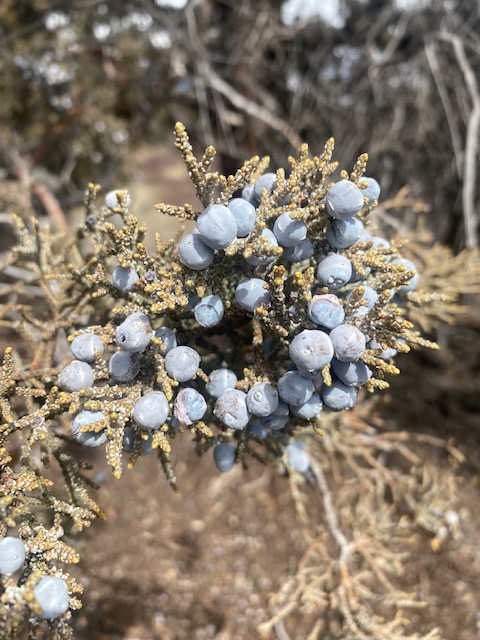
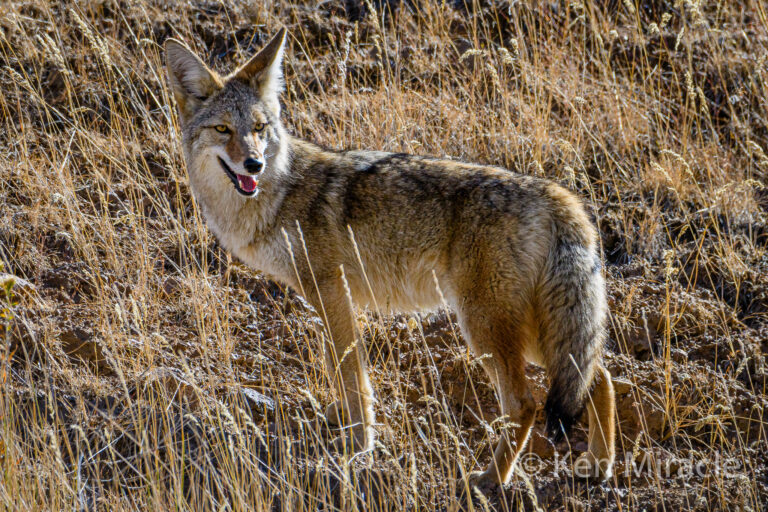
In the harsh times of winter, you offer powdery blue berries and cones to the beaks of American Robins, Townsend’s Solitaires, Western Bluebirds, Cedar Waxwings, Steller’s Jays, and Scrub Jays. Spread your umbrella limbs wide to shelter and shade elk and deer. Welcome packrat nests in your hollows and clefts of lower branches. Know the language of raven, coyote, and cottontail. Be witness to predator and prey and cycle upon cycle of seasons.
We humans who walk on the horizontal plane can only imagine your great taproots sensing water in the aquifer perhaps 25 feet below and the strong crisscrossing lateral roots in constant communion through the mycelial network. So many generations of bunchgrasses, wildflowers, ants, beetles, lizards, and all we overlook are interwoven with the sandy ashy soils and your roots–roots that store tons of carbon, roots that split rock, and roots that hold you up when you begin to topple.
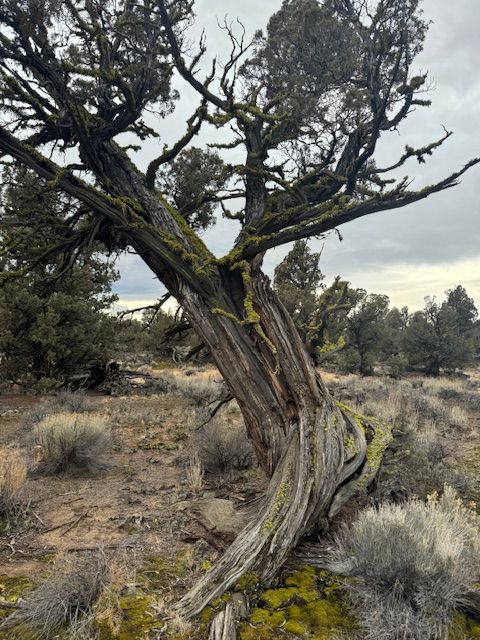
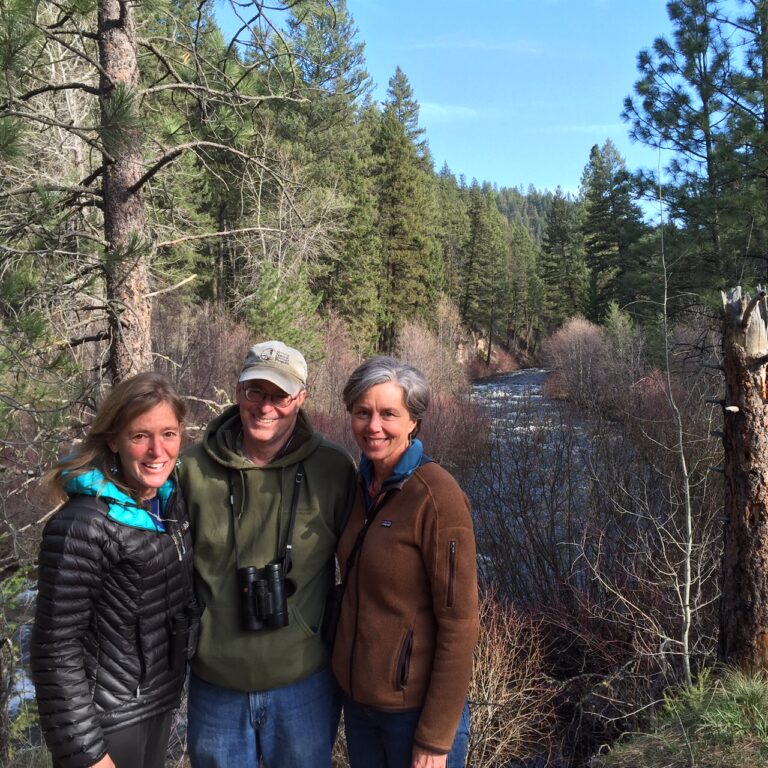
On this day as our small group wandered and wondered about the patterns of green moss in the desert, of wildly differing lichens ornamenting trees and stones, we also tried to step with care. We touched the trees with gentle hands.
Some of the 1000-year-old+ denizens bear the old marks of chainsaws cutting off limbs. We reveled in their protection now within this Badlands Wilderness –thanks to the efforts of the Oregon Natural Desert Association (ONDA), more than 3000 people writing letters, and President Obama signing the bill into law in 2009.
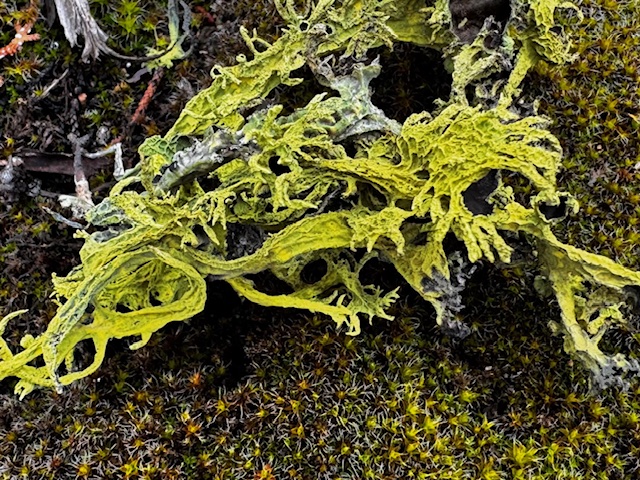
As the cloudy afternoon misted rain and feathery mosses sipped droplets, our group of five departed with reverence for the old ones.
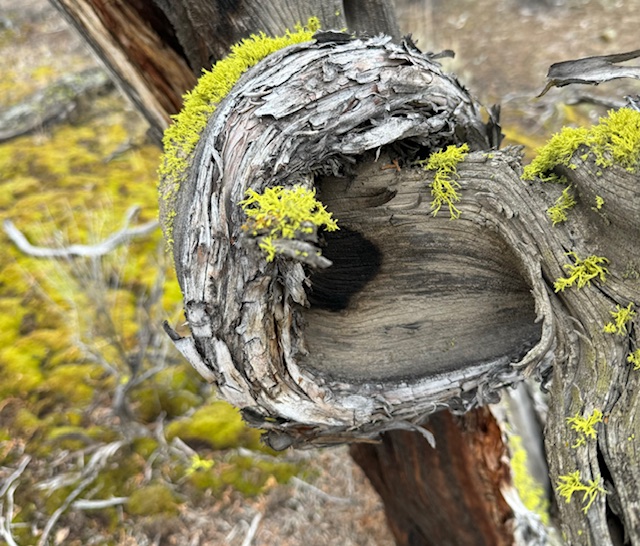
I’m left with the image of one juniper with a single living branch coiled into a circle–reminding me there are no beginnings and endings, no hierarchies, and no linear paths. There’s comfort in the curvature of great trees, the coming of the full moon tonight, and the circling of a lone raven overhead.
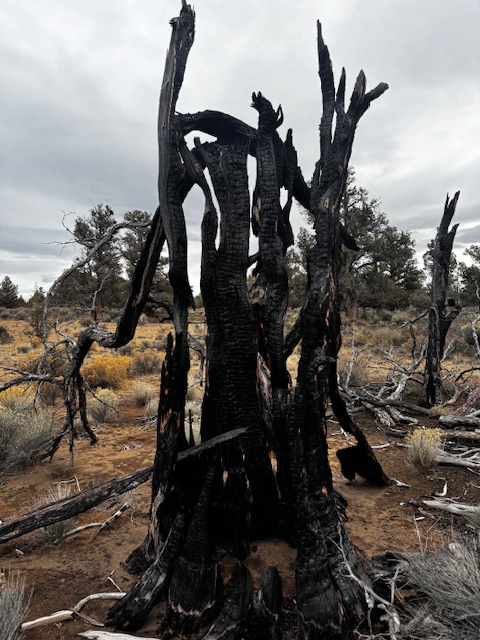
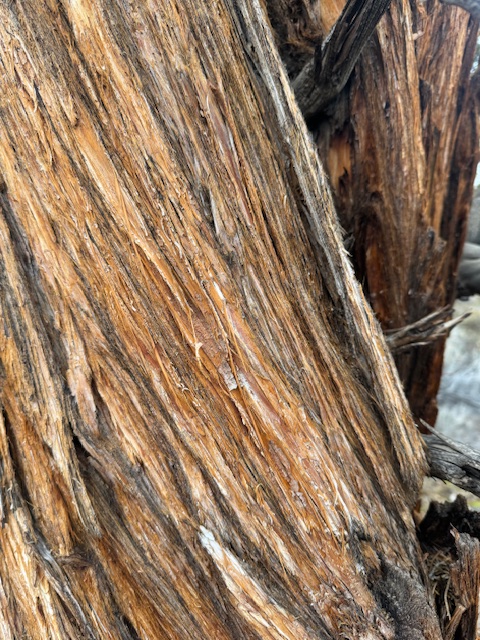
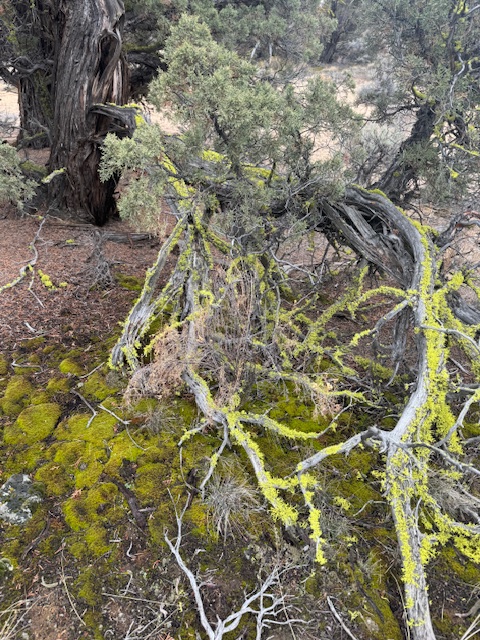
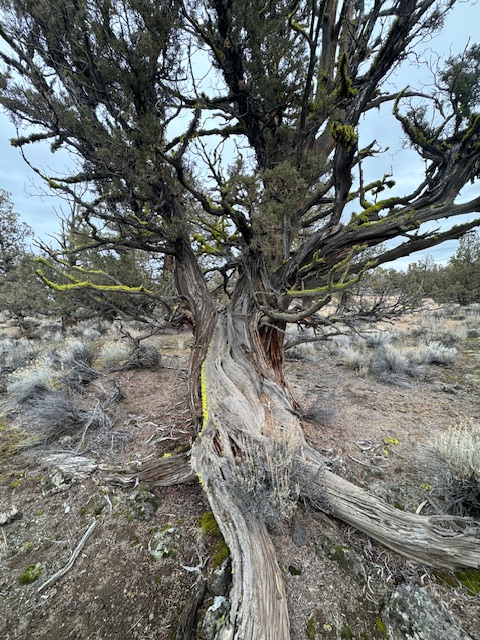
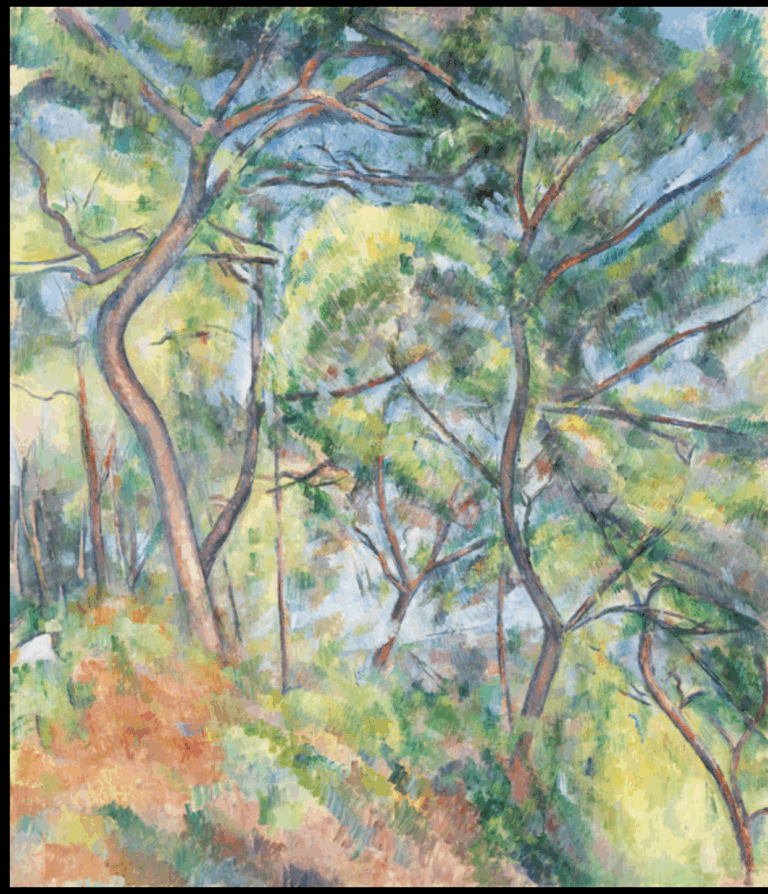
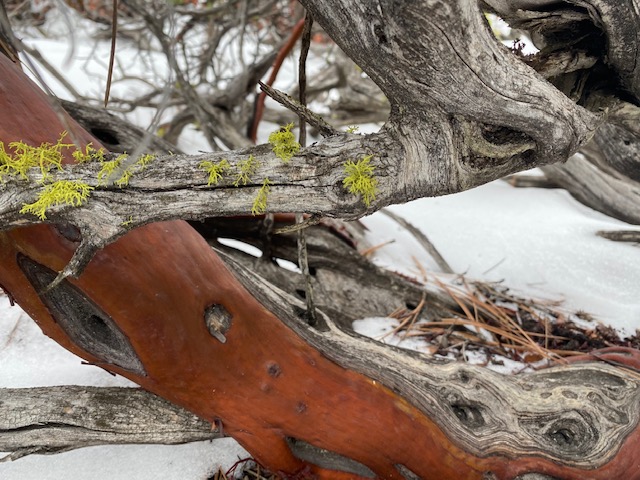
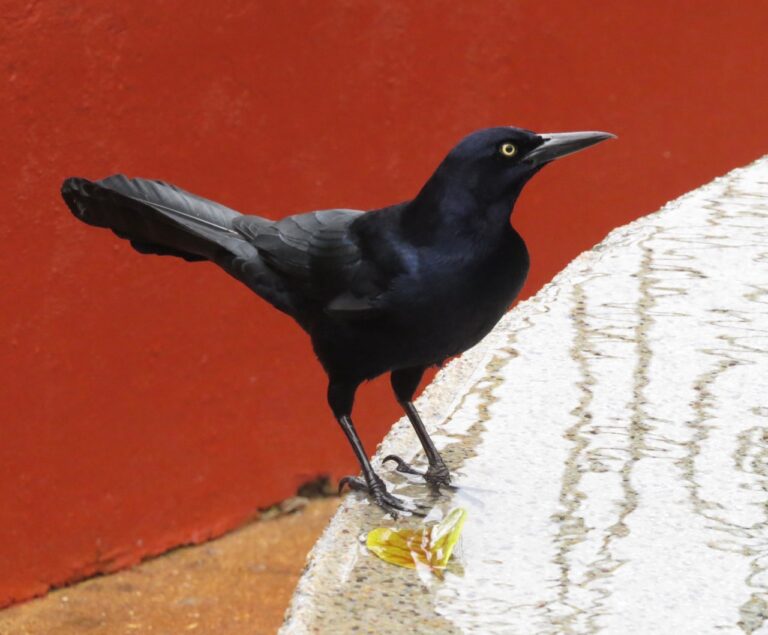
Yet local ranchers blame juniper for drought and are going down their own rabbit hole to eliminate juniper from their lands. Juniper hurts no one. Quite the opposite, juniper benefits the earth, something ranchers claim to be doing as they destroy plants that help us live.
SSScooooooorrrrrrrre, Marina! This one brought back the smell of juniper smoke as we roasted chunks of apples, a daily-hike occurrence as kids hiking the hills north of Hereford…thanks.
I so appreciate your wisdom, knowledge, and compassion for all of these beings and indeed, let’s take the focus off these gorgeous trees and consider what open range cattle have done to the landscape and water (ways).
Yes!
I wish your tribute to the junipers could be mandatory reading for those who see them in a negative context. Your photos complement your verbal descriptions beautifully.
Thank you!
Marina,
Dan Chamness
So much wonder in the old junipers–a tenacity for life
Reminds me of the story of the giving tree. It is amazing how they can survive in such tough places and sometimes with so few needles or branches. They also are quite an ancient group trees, millions of years older than all the pines and firs and spruces.
Thank you– I love that connection to the giving tree–and their ancient roots. I’d love to know more about their origins.
Juniper encroachment on wet meadows and connecting streams here in Idaho has had a seriously negative impact on Greater Sage Grouse summer and fall habitat in a number of critical areas.
“Ancient” Junipers and even young ones in their rocky ridge and knob habitat that used to be their normal home are amazing. One of my favorite birds in the old growth Juniper stands in the Owyhee County high sage steppe is the Black-throated Gray Warbler. These old growth stands also frequently provide roosting and nesting habitat for Common Nighthawks and more you as you noted. Many of the oldest ancient junipers bear fire scars but are still with us.
Why have the Junipers moved out of their old habitat and encroached on wet meadows … simple well meaning and not so well meaning human intervention. We fought the wrong fires for many years. Natural fires for centuries kept the wet meadows and flats with sage brush and bunch grass healthy and thriving with little to no encroachment from the junipers that the fires thinned or left alone in their rocky redoubts.
The best tool I have seen to help counter some of our man made challenges have been prescribed burns and letting more natural fires burn. The recovery of wet meadows and the bunch grasses and other ground covers in the old growth juniper stands up on the rocky ridges above the sage flats and wet meadows is also fast.
The fast response of summer long water flows in old streams help wet meadows thrive and some the larger meadows quickly have small wetlands return. This gives immediate improvement to the habitat that Greater Sage Grouse and other birds, amphibians and small mammals utilize. These areas are going to be more important for Greater Sage Grouse brood rearing forbs etc. as we see the climate continue to grow warmer.
I love what you shared about the Black-throated Gray Warbler and Common Nighthawk finding refuge in the old-growth or ancient juniper stands. I want to know more! What is so important is for people to not call our native junipers “invasive” –that puts them in this category leading to rampant logging of junipers instead of carefully thought out habitat improvements especially near wet meadows, and restoring natural processes like fire. As we know from the Sage Grouse Initiative–changing livestock grazing practices is critical. We often treat symptoms without getting to the root cause.
Regenerative Cattle Ranching/Grazing is a major project for The Nature Conservancy. The North American Grouse Partnership and more have expanded the efforts of The Sage Grouse Initiative/Working Lands for Wildlife.
The Sage Grouse Initiative/Working Lands for Wildlife has influenced many others. The North American Grouse Partnership. The Nature Conservancy has a significant project going on with Regenerative Cattle Ranching/Grazing. They are working to preserve native grasslands and sage steppe and enhance and expand habitat.
The TNC and other projects go beyond just grazing but also are working on keeping grasslands form becoming round up ready soy bean and corn fields aimed at fake meats etc.. Removing thousands of acres of very efficient carbon sequestration grass lands and replacing them with these ag deserts lacking pollinators, birds etc..
Since you wanted to know more.
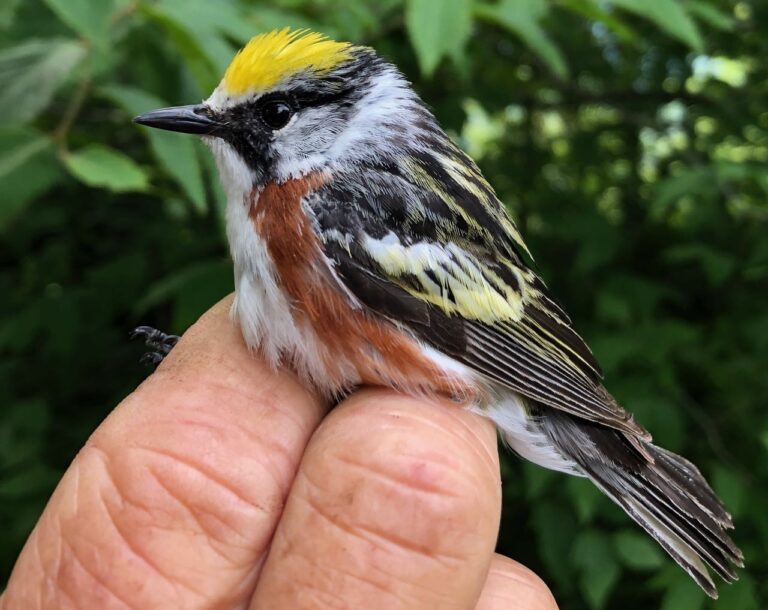
There is a very cool rocky ridge that I last visited and hiked up in the Owyhee’s on 6-17-21. It sits above a reservoir with wetlands around it on private property on one side and canyon with a small creek on another end and a wet meadow and a sage brush flat with native bunch grass and a wet meadow on the other. Hiking up that ridge I enjoyed and photographed Black-throated Gray Warblers and Common Nighthawks in the old growth junipers along with Dusky Flycatchers, Western Tanagers, and Mountain Bluebirds and saw American Robins. In the canyon area and sage steppe areas I found and photographed Vesper Sparrows, Chipping Sparrows, Mountain Bluebirds, Dark-eyed Juncos, Song Sparrows, Sage Thrashers, Green-tailed Towhee, Sandhill Cranes, Turkey Vultures, Cassin’s Finches. On the reservoir I saw the usual Mallards etc. and found and photographed Eared Grebes and Wilson’s Phalaropes.
Natural habitat diversity including these “native” junipers created great habitat here along Bachman Grade. Managed grazing on private property and even BLM and State land in the areas was leaving the habitat in great to good (some State land) condition.
There are more of these diverse habitats all over the huge expanse of the Owyees.
With BLM continuing to have some more innovative managers in the area we are seeing the reintroduction of fire and targeted manual removal of small encroaching on wet meadows juniper on a landscape scale that does not incorporate indiscriminate wholesale logging.
Are things perfect … nope we still do not have large Wapiti and Pronghorn herds grazing down the old forbs to keep new Sage Grouse food young growth going so cattle have to do the job. There are still a few land managers and ranchers that still do not go by the sage wisdom that what is good for Sage Grouse is good for cows.
We also still have an overpopulation of “invasive” feral “Wild” horses in parts of the Owyhees that are very destructive of Greater Sage Grouse habitat. In fact where the “Wild” horses are photographed by fawning fans you do not see Greater Sage Grouse since they have been displaced.
Thank you for sharing your knowledge and field experience, too, and of course your amazing photography documenting wiidlife and all the interactions so many people have never witnessed–like that rocky ridge in the Owyhee! And here’s to innovative management that is ecological and oriented toward biodiversity.
Thank you Ken for sharing all your knowledge and experience–love that rocky ridge description of so many birds in the ancient junipers of the Owyhee! And I’m happy to know of innovative managers out there doing good things. I’ve also always appreciated your photography that documents the wonders of wildlife in overlooked nooks and vast sagebrush flats and canyons–so important to protecting biodiversity. That’s how we met! Always grateful for that.
Beautiful. Your words root me into the world of the junipers. Since moving to Oregon just over three years ago, I have gained an enormous respect and regard for the juniper trees. The story you have given us tells their tale perfectly. Thank you.
Jenny Wright
Thank you Jenny–good luck with all your new writing and I’m sharing your beautiful blog site here so others can see: https://earthwisehorse.com/
Marina… Nice ode to the juniper… my favorite patch of juniper ancients burned in 2021. I miss visiting them. Nancy Bright… Sisters Sent from my iPad
>
I’m sorry to hear that! Did all of the ancient trees burn? I noticed individual charred burned trees among the living junipers. Here is a website that tells more about their relationship with wildfire: https://www.fs.usda.gov/database/feis/plants/tree/junocc/all.html