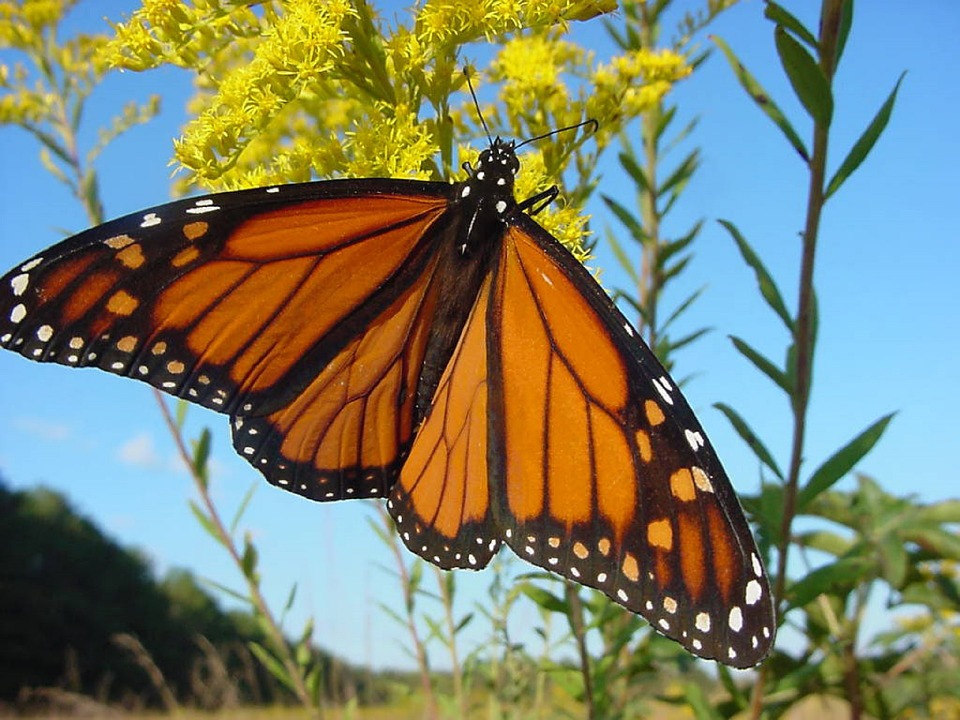
Of Monarchs, Marathons & Migration
Last week I wrote a Blog for National Wildlife Federation on the monarch butterfly migration. I knew a bit about nature’s marvel, but as I read more, my excitement grew. These are real champions of nature. They don’t just rival ultra-marathoners and long-distance hikers, they beat them hands down.
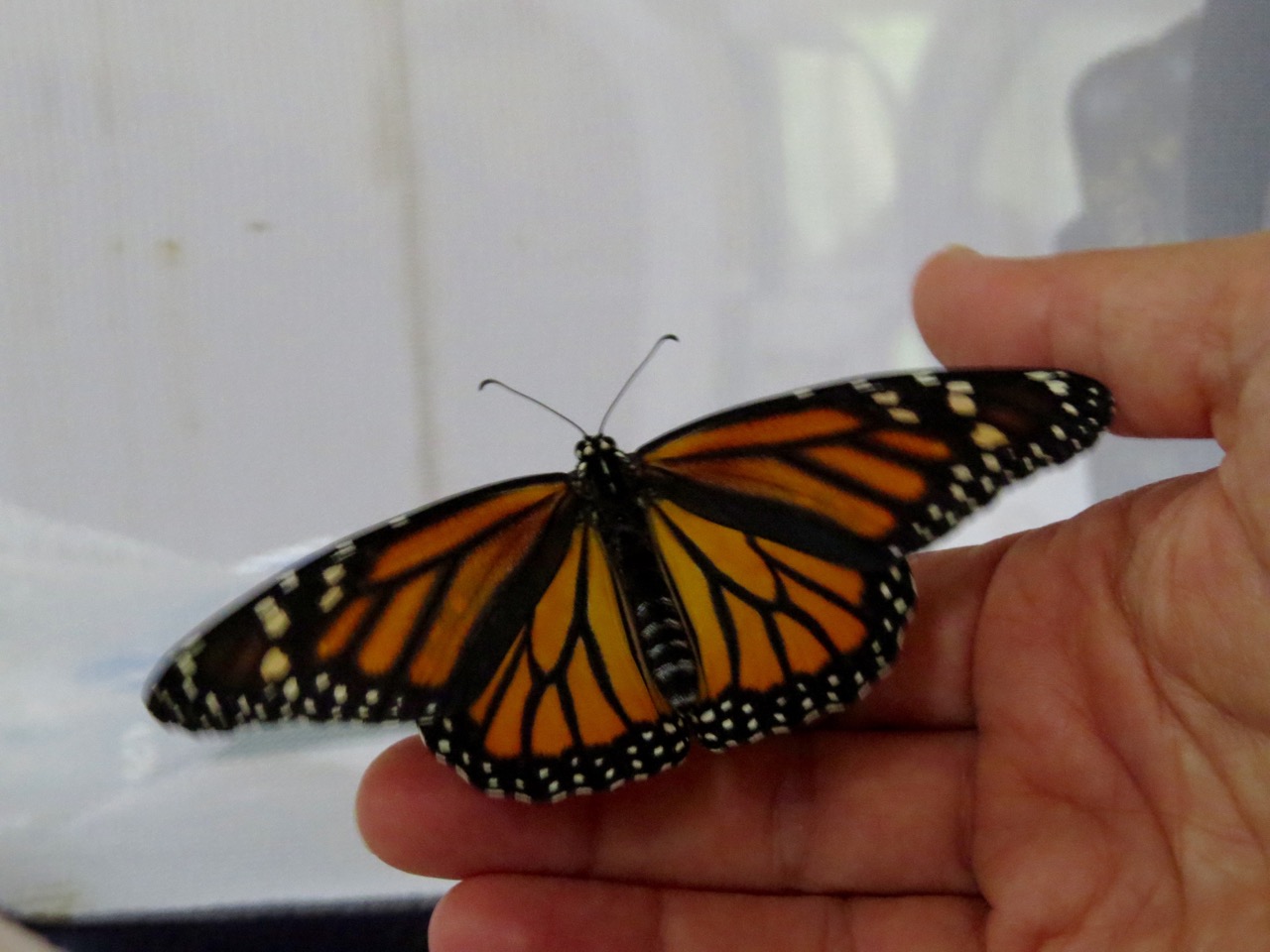
A butterfly in your hand feels weightless, until you notice the slight tickle of tiny feet or antennae. The delicate wings seem as fragile as a bubble about to pop and vanish in an instant. The act of flying, hovering, and fluttering from flower to flower appears miraculous.
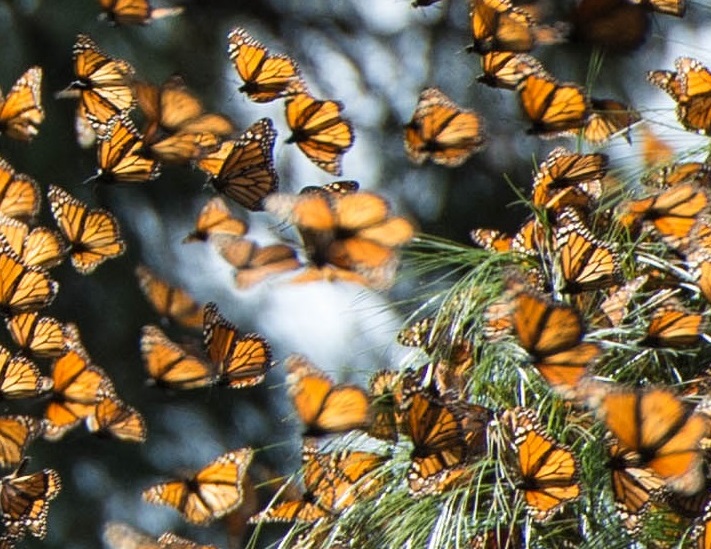
When does a miracle become a super-miracle? The monarch migration qualifies. No other butterfly has evolved this miraculous two-way migration as a way of winter survival. In one season, the super athletes will fly as far as 3000 miles to reach trees growing in a moist, temperate climate (in oyamel fir trees growing high in the Sierra Madre Mountains of Mexico for eastern butterflies, and to California trees for the western ones). Typically, they fly 50 to 100 miles a day– flitting, catching updrafts, and stopping to fuel up on nectar from fall blooming native plants like goldenrods and asters. One tagged butterfly even covered a mind-boggling 265 miles in a day.
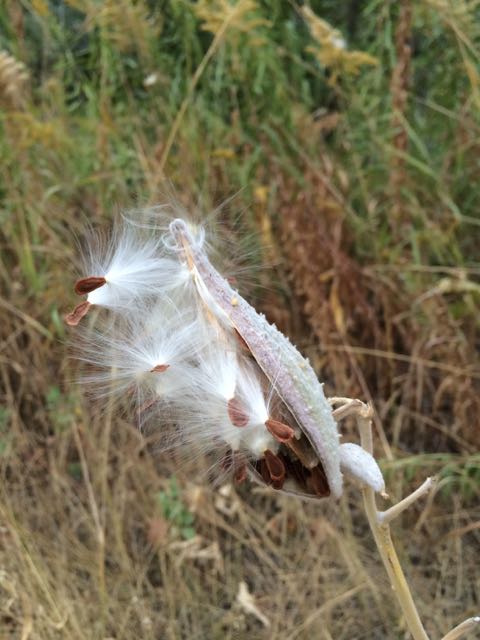
While researching to write the NWF blog at my friend Jyl’s condo by the Boise River, I walked out the door for inspiration and immediately found milkweed pods splitting open to release their seeds on the wind. Next to them grew blooming goldenrod, a sumptuous bounty of nectar for the southbound flyers. The milkweed gets a bad rap by some, because of the word “weed.” In fact, it’s a native plant with many varieties across the country. It’s here that the female monarchs lay eggs, and their caterpillars in turn feed on leaves that give them protective toxins against songbirds.
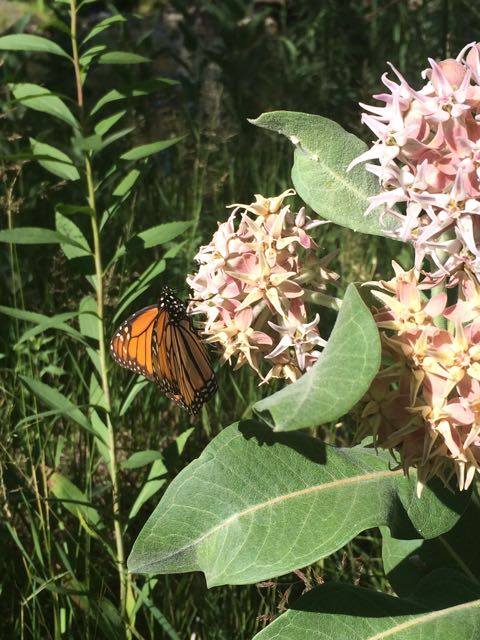
Earlier this summer when I’d dropped in to see Jyl, I’d witnessed monarchs on milkweed flowers and likely laying eggs on the plants. Kudos to Boise for protecting both its riverfront for public use, and the native plants that grow along this corridor of life that I affectionately call the “River of Kingfishers.” Of all the places I’ve traveled with my ears attuned to the rapid staccato call of kingfishers, the Boise River is hands down the best for reliability of sightings. They love this fish-filled river! As do the monarchs. My favorite section (right by Jyl’s place) is the wildest part of the greenbelt that honors the legacy of conservationist Bethine Church.
The butterflies I saw early in July are not the ones that are flying south. It took a little bit more studying up to figure out the life history of monarchs. As always, the more I dug, the the story grew more incredible– of four generations in a year, and an ingenious way to thrive.
The fall flyers we see now emerged from the chrysalis stage to be different from the three prior generations of summertime. These butterflies delay sexual maturity. They’re all about migrating and fueling up, then overwintering, and flying back partway north in spring. Only then will the butterflies mate and the females lay eggs. The first generation emerges from egg to caterpillar to adult that in turn lays eggs and dies, all in about one month. The butterflies make it a bit farther north, and then repeat the cycle in another month. And so on, until we get to this fourth generation that will migrate and repeat the cycle.
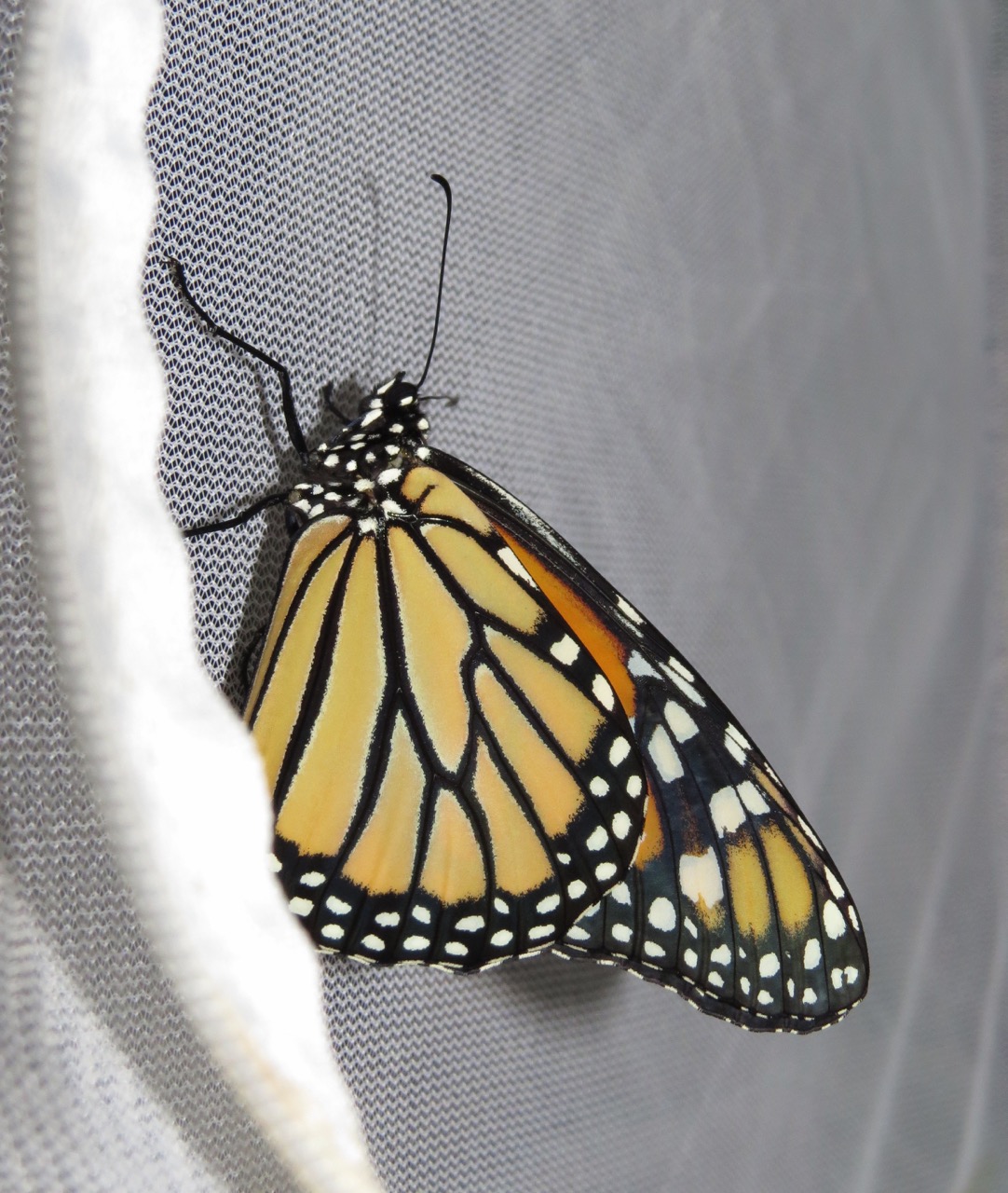
Now when I look for monarchs on the wing, I’m not just in awe, I’m in ultra-awe! These hardy orange and black winged flyers reveal once again that genius surrounds us in nature everywhere we’re willing to observe and to learn.
While saddened by the sharp declines in monarchs –as much as 90 percent in the past 20 years from habitat loss, spraying, and the widespread use of Monsanto’s herbicide Roundup that kills milkweed– I’m also slightly hopeful. The word is getting out. Once informed, so many people are helping. They’re creating natural monarch way stations for feeding and fuel. They’re speaking up for organic farming that protects native plants.
President Obama released a plan in 2015 for 1,500-mile monarch “highway,” a north-south corridor along I-35 from Minnesota to Texas, where efforts would focus on planting milkweed and nectar-rich native plants for the long journey. I wondered if this plan is becoming a reality, and found some heartening information from the Texas Butterfly Ranch. Yes! People are actually out planting on the corridor and thoughtfully working together across state boundaries.
Right here in La Grande, Oregon, a group of people works hard to cultivate and plant native milkweed in parks and in yards. There’s even a local talk on monarchs September 29th for local readers of the Blog.
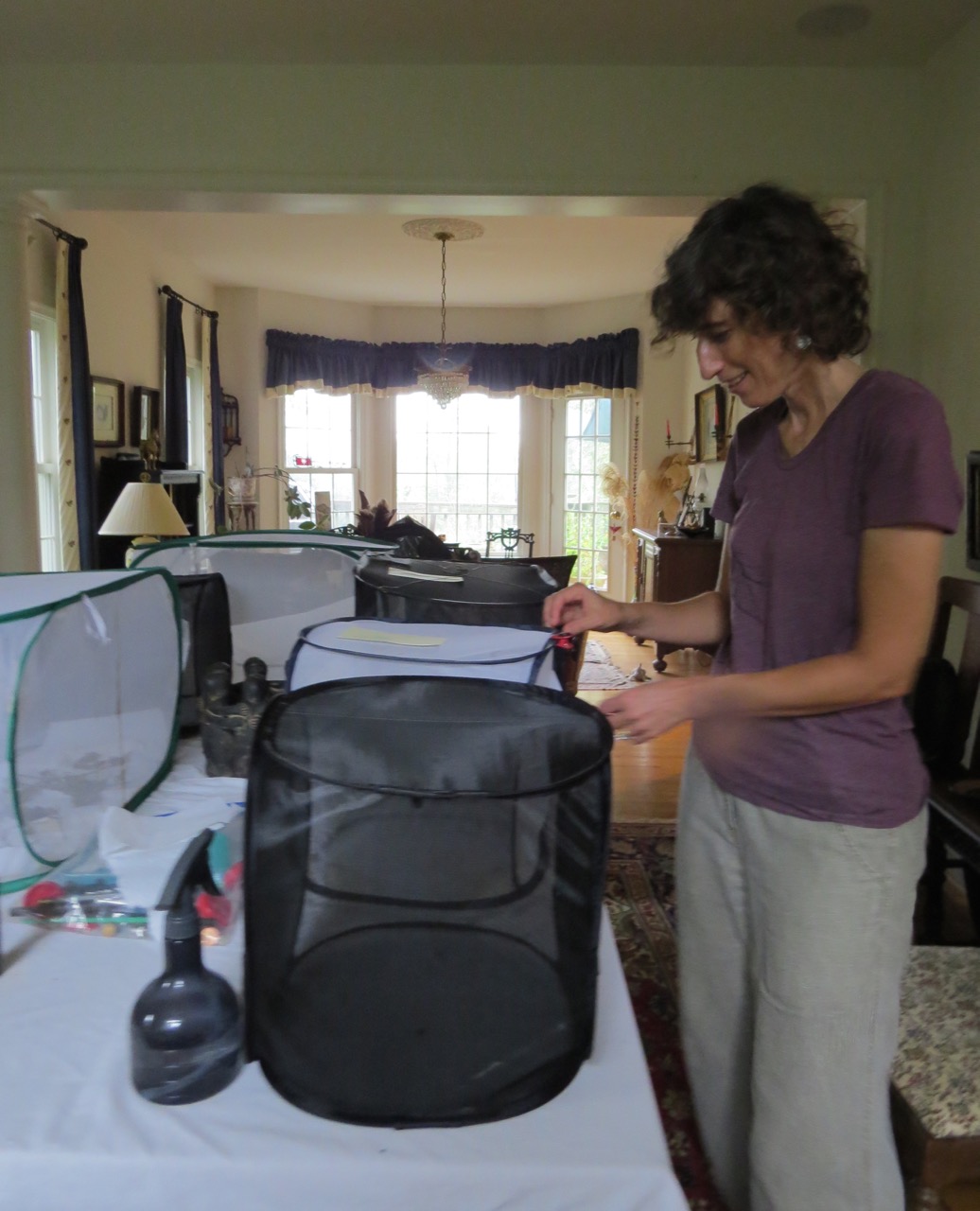
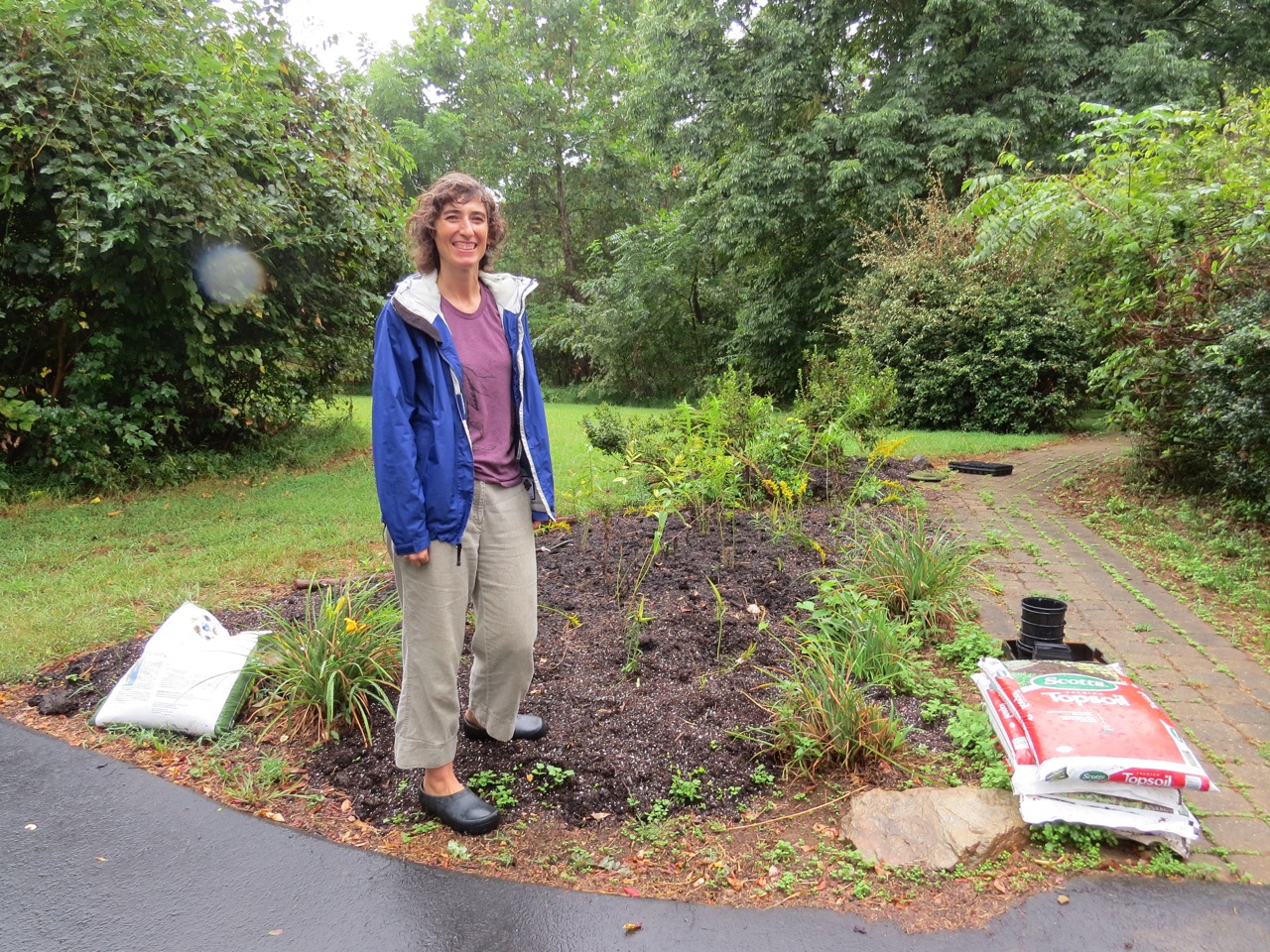
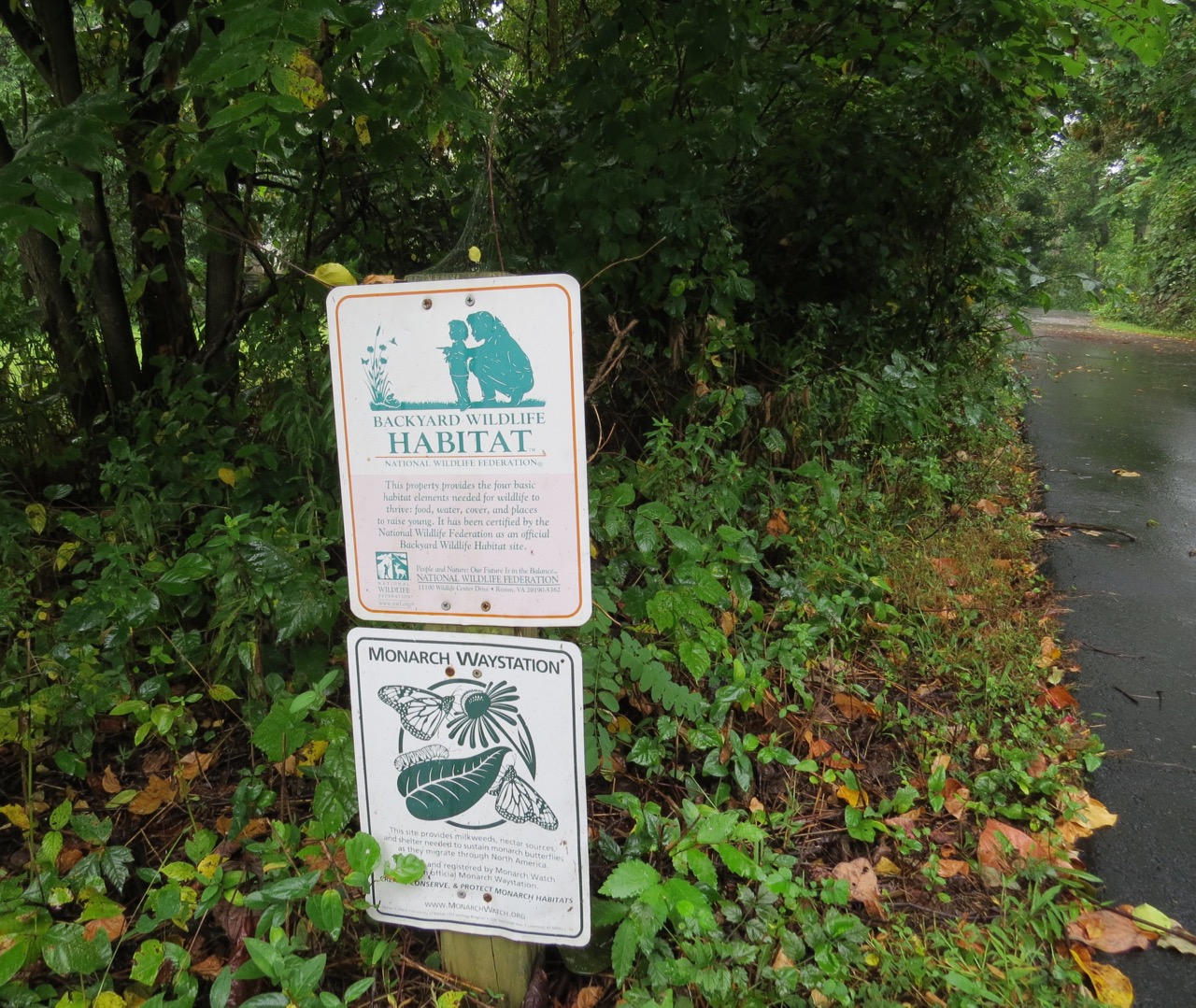
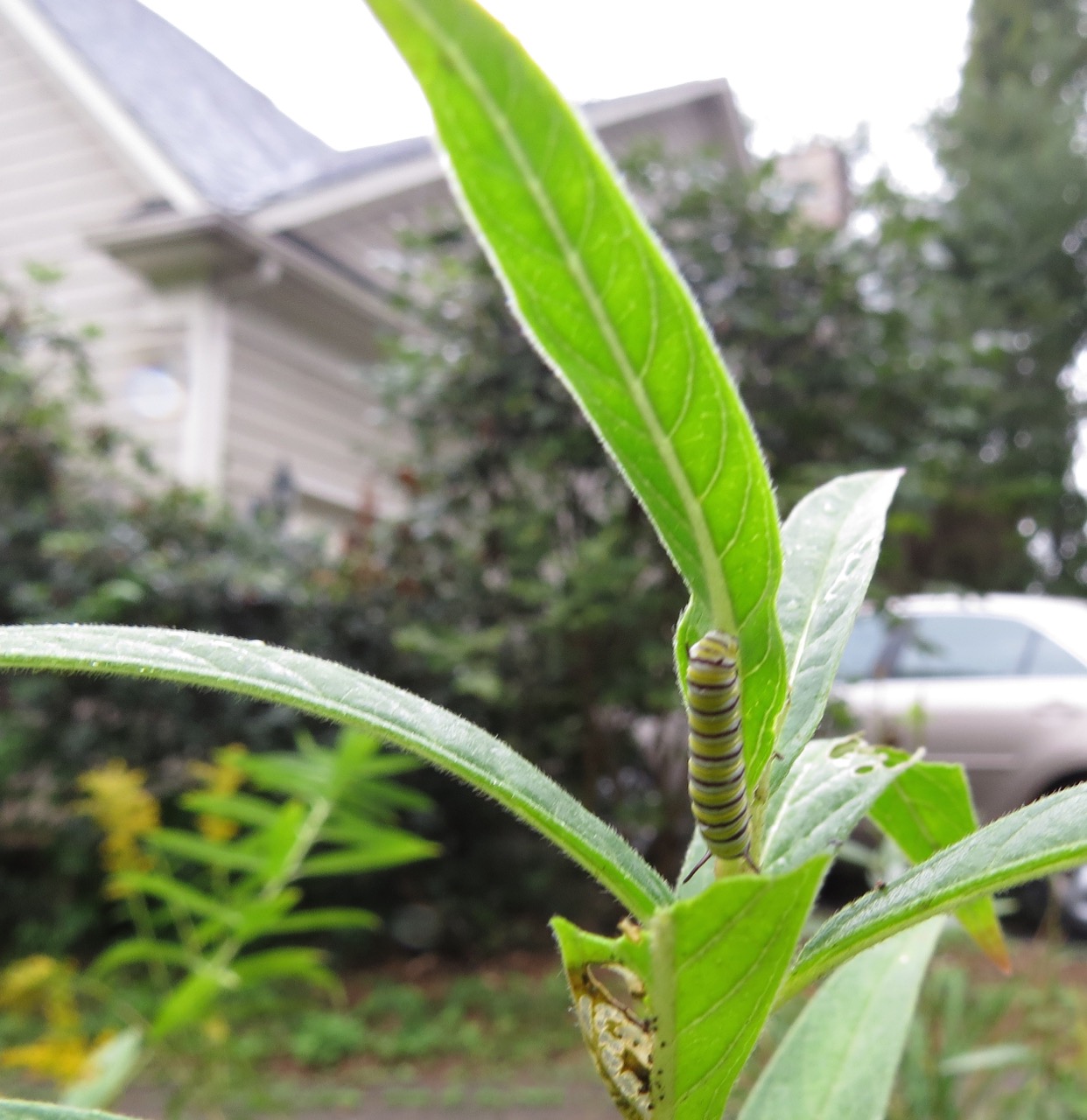
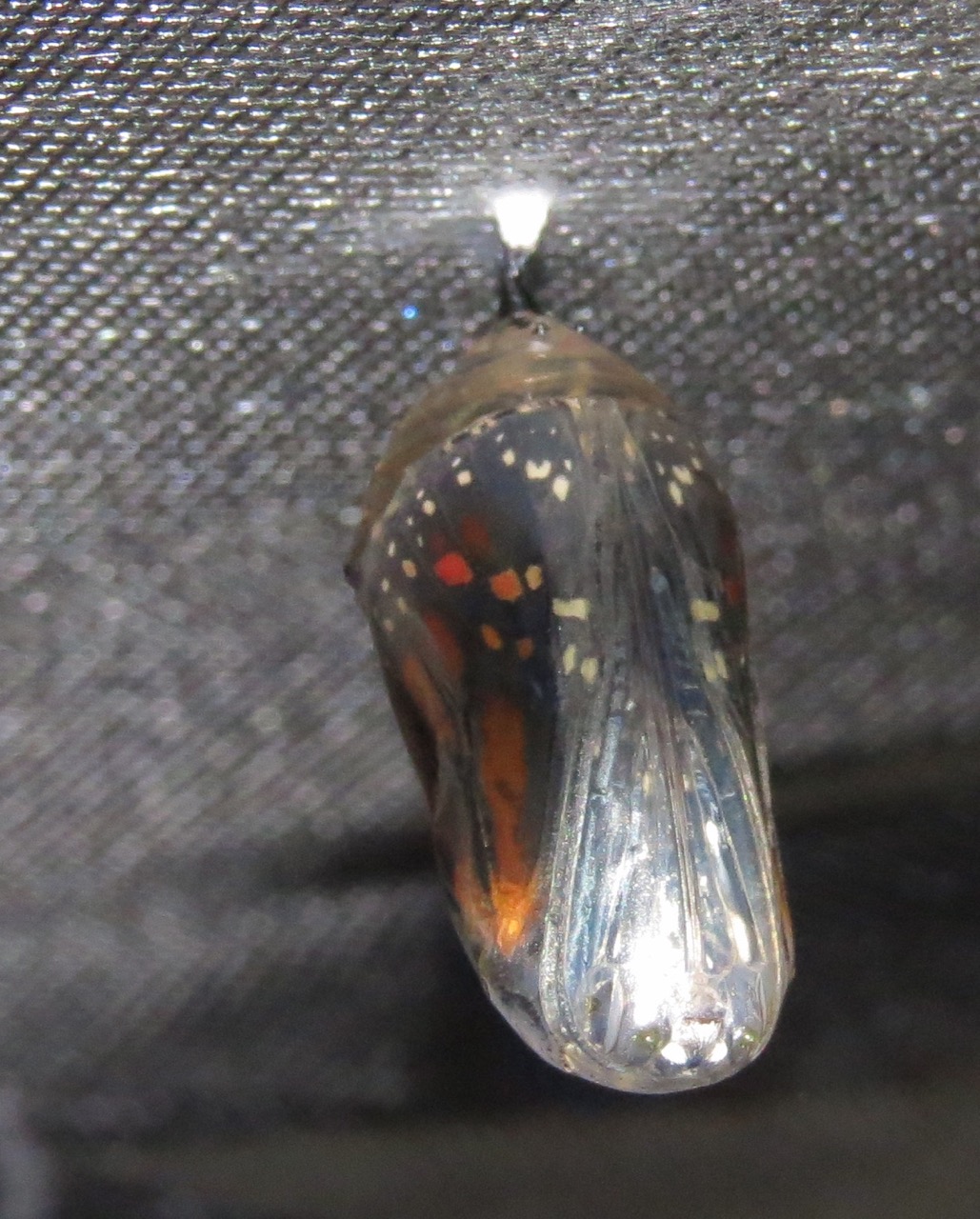
I’m admittedly fond of the analogy of monarch butterflies and ultra-marathoners. While only a fraction of people can achieve running distances of 50 to 100 miles at a time, any one of us can cheer them on, help them fuel up, and see the athletes to the finish line. For monarchs, it’s a life or death journey. Our actions matter, and can be as small as planting a patch of milkweeds and goldenrods. Start stitching together all those patches and the butterflies will find their vital resting and feeding stops. Below are a series of photos I took a year ago when interviewing Nicole. Enjoy and take part!
COOL!
Thanks! Do you have milkweed by the Bitterroot where you live?
I loved both of your monarch blogs. As you know so well, everything in this world is miraculous–the incredibly implausible coming together of atoms in such remarkable manifestations. But the miracle of the monarch is so vivid, so unfathomably amazing, that its story can shake us out of our oblivion and impel us to take notice and act. Thank you Marina!
Thank you Sandra for your eloquent words. Yes–it’s an act of faith to notice and to take action, but how wonderful that when it comes to milkweed, monarchs will come. The caterpillar in the photo appeared on a very newly planted patch of milkweed and other natives at Nicole’s–the rewards are so satisfying and tangible!
Great blog … and it starts right here at Heron Cove …. where there always seem to be Canada Geese, Mallards, Wood Ducks and Belted Kingfishers 🙂 Sadly our Monarch tags went unused this year. We we’re in Africa and Alaska during part of the year but in late summer, time to tag the migrants, there was not a monarch in sight. The dry weather seemed to have held the milkweed back some this year. Also not a lot of fuel plants for the newly emerged Monarchs to utilize around our favorite milkweed patches.
What a great piece, and thanks for providing a link to our site–just one problem: the date for the monarch presentation in La Grande is incorrect–the talk is on SEPT. 29, NOT TONIGHT!
Can you please post the correction? The presentation will be at the La Grande library at 7 pm.
Thanks!
Katie Boula
Heart of the Blues program coordinator
Great post thaanks