Timeless Hiking on Great Glen Way
Scottish Highlands Whisper Ancient Stories
This post first appeared on my Substack: Kingfisher Journey. This version has more photos at the end.
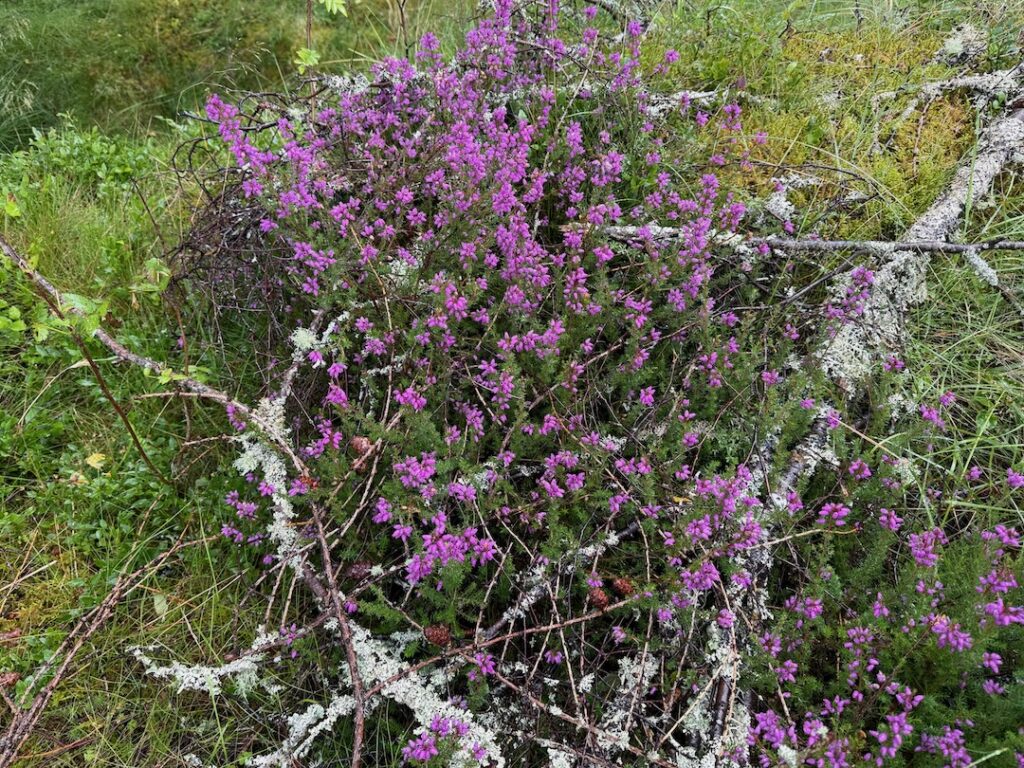
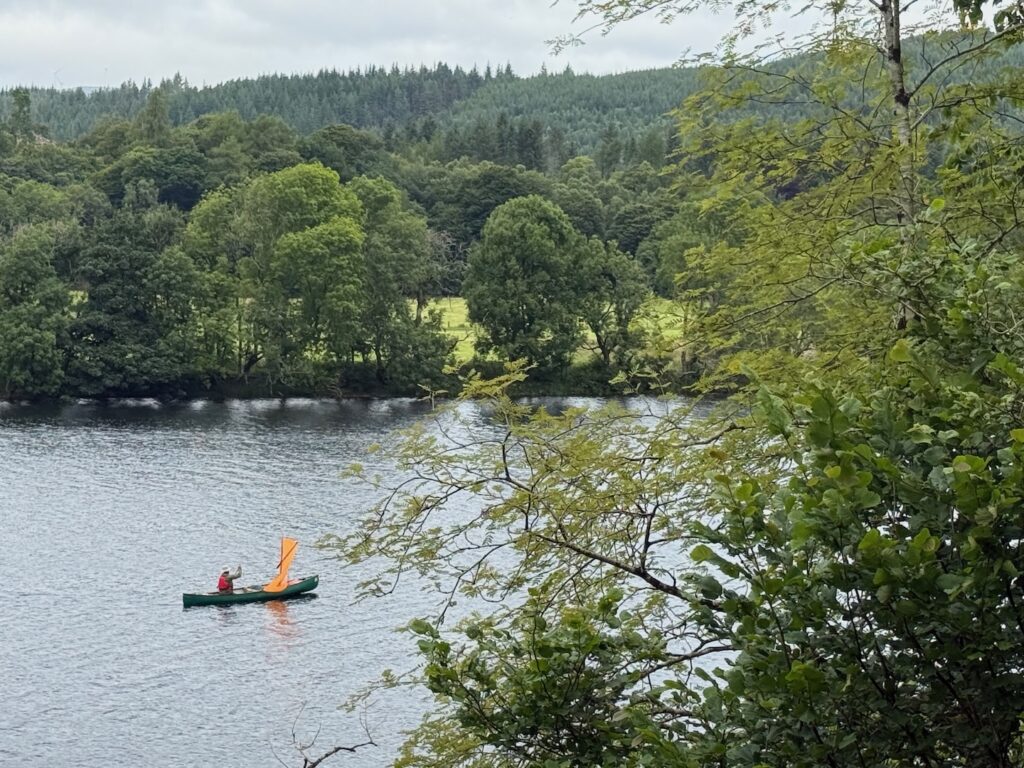
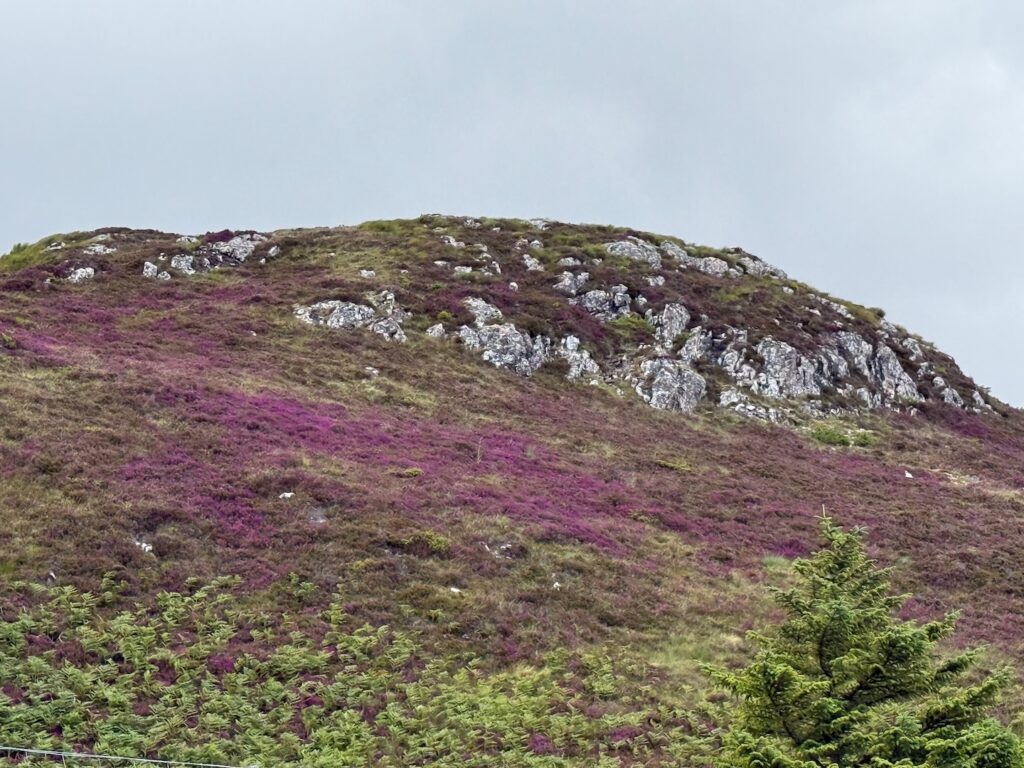
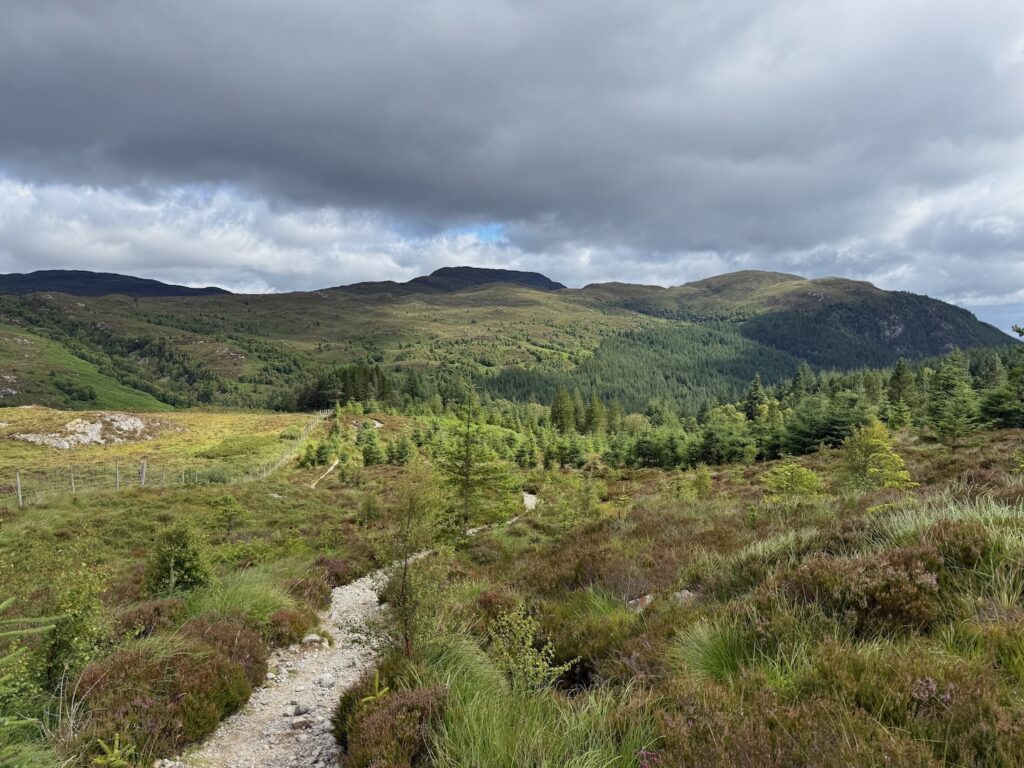
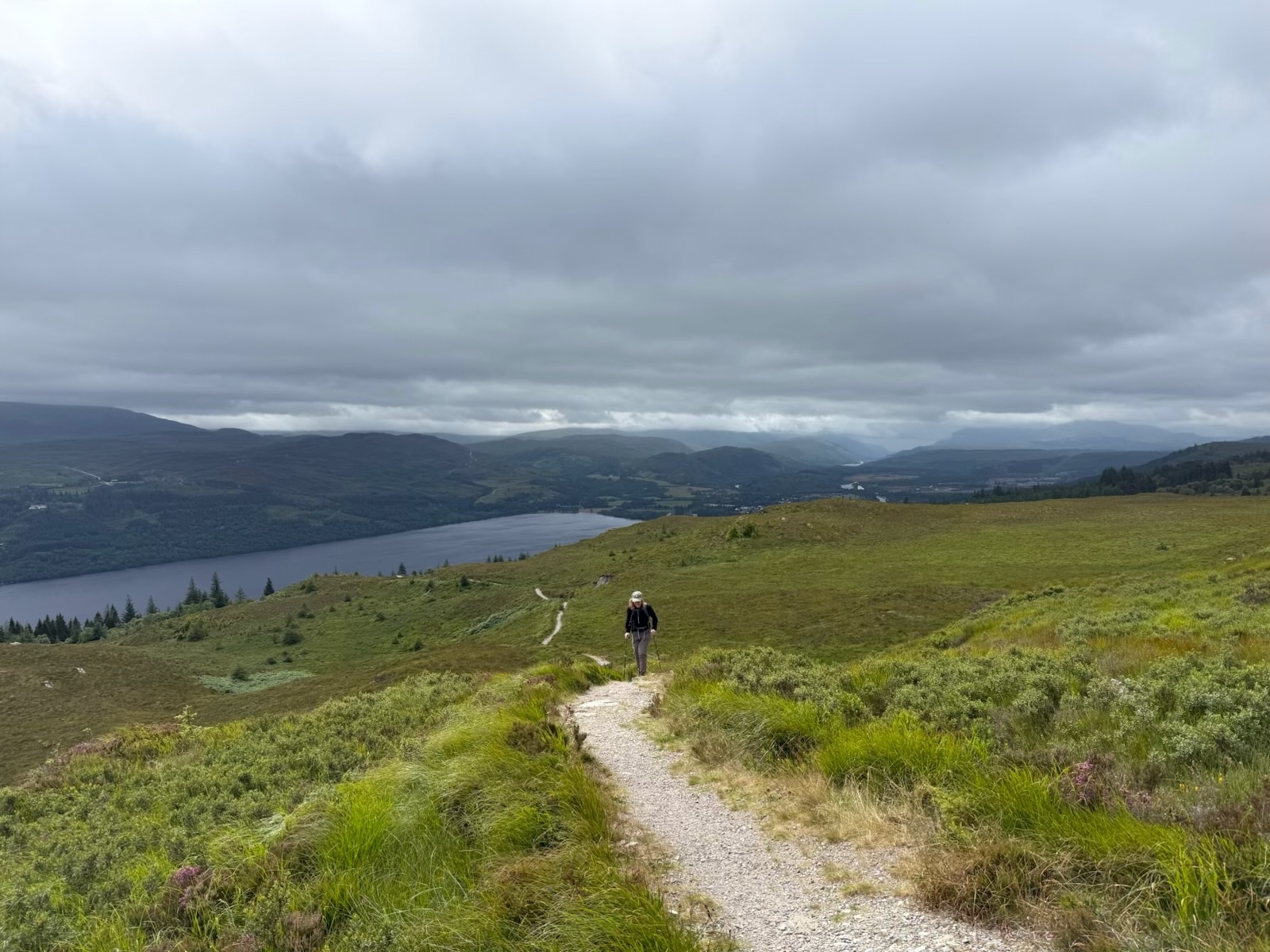
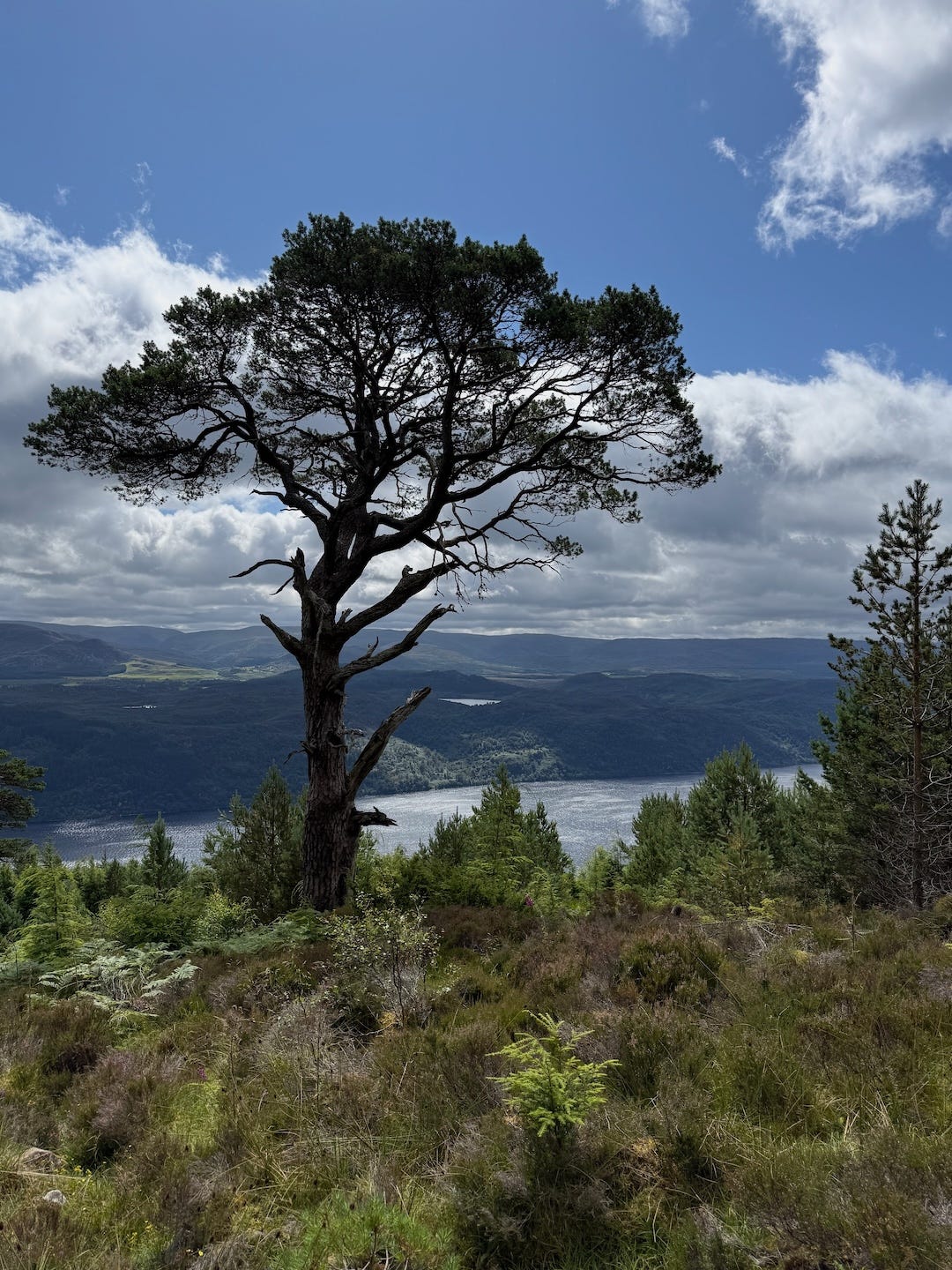
I’m high above Loch Ness on rumpled hills and glens of blooming purple heather, gorse bushes fierce with thorns, bracken ferns, and flowing moor grasses bent eastward by a stiff wind from Scotland’s west coast. There’s no monster to be seen on the shimmering loch stretching 22 miles along part of the Great Glen fault. But the loch is as deep as the stories of a place that stirs within my Scottish roots. Secrets stir. Some are darker than the shimmering waters.
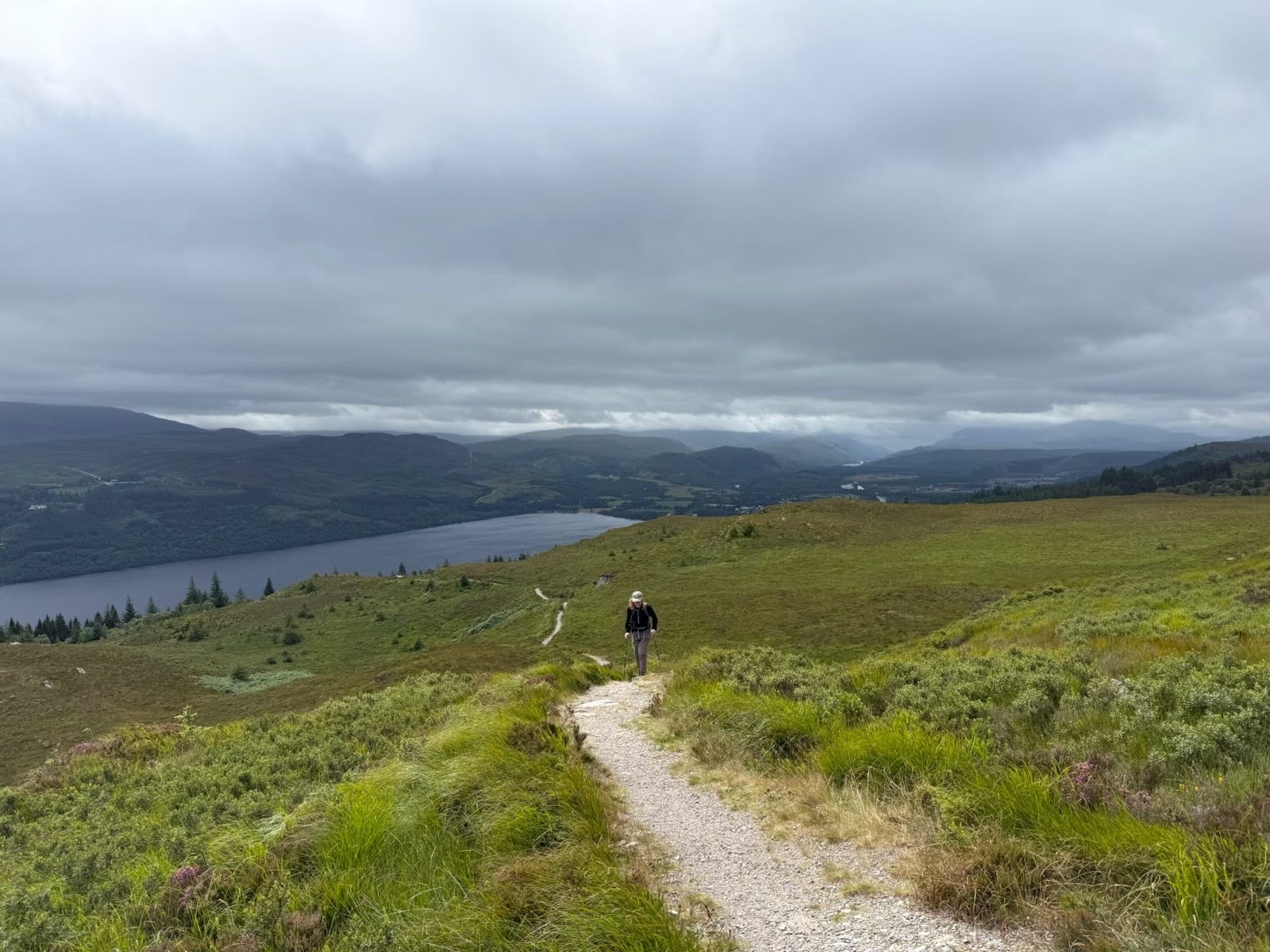
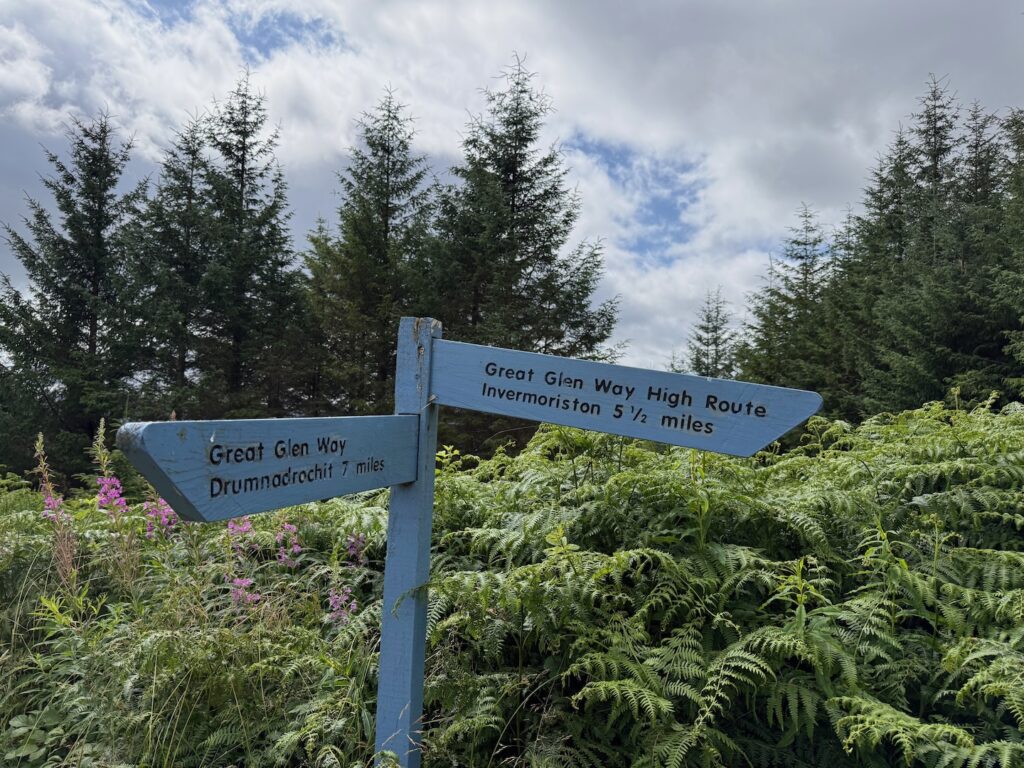
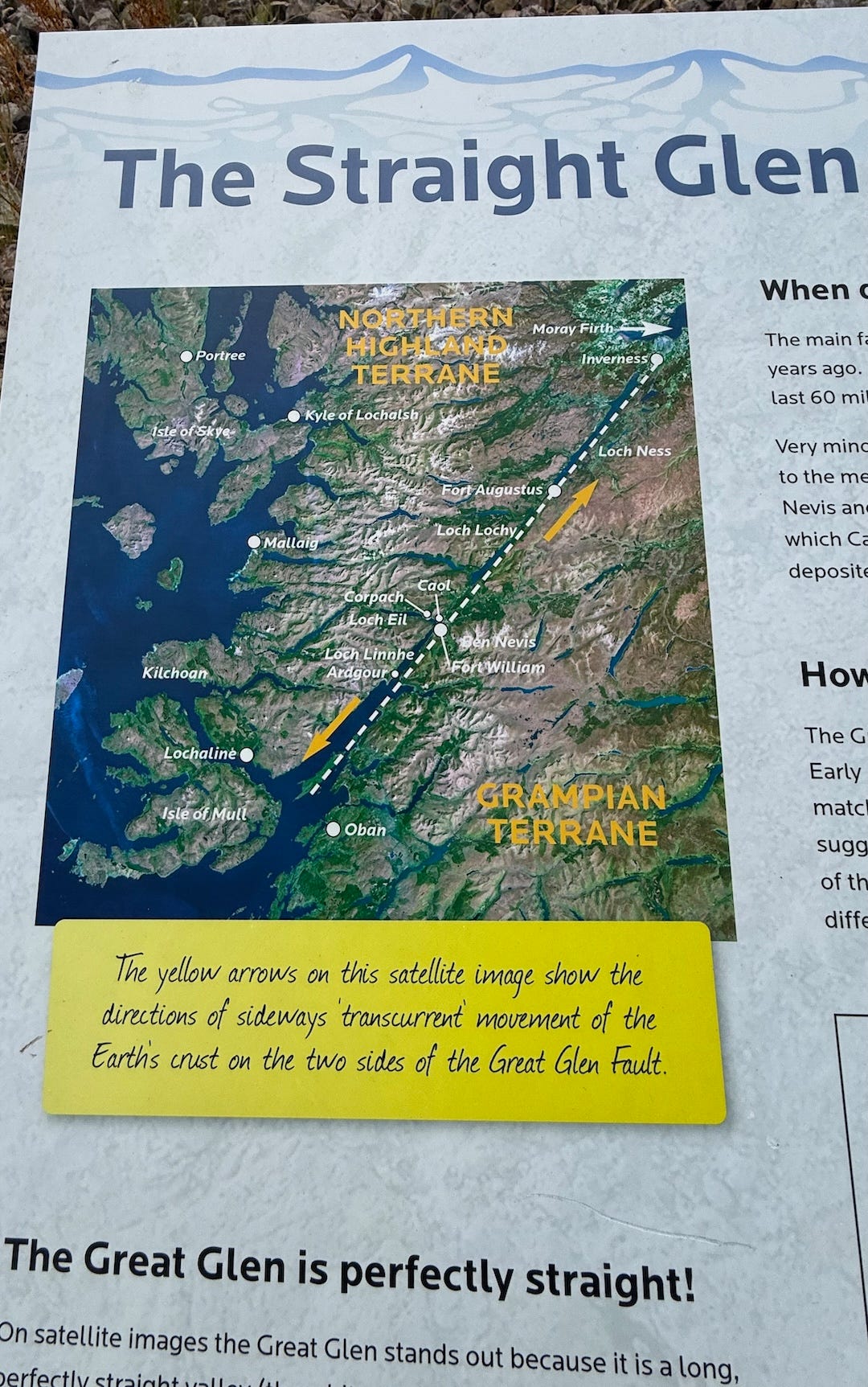
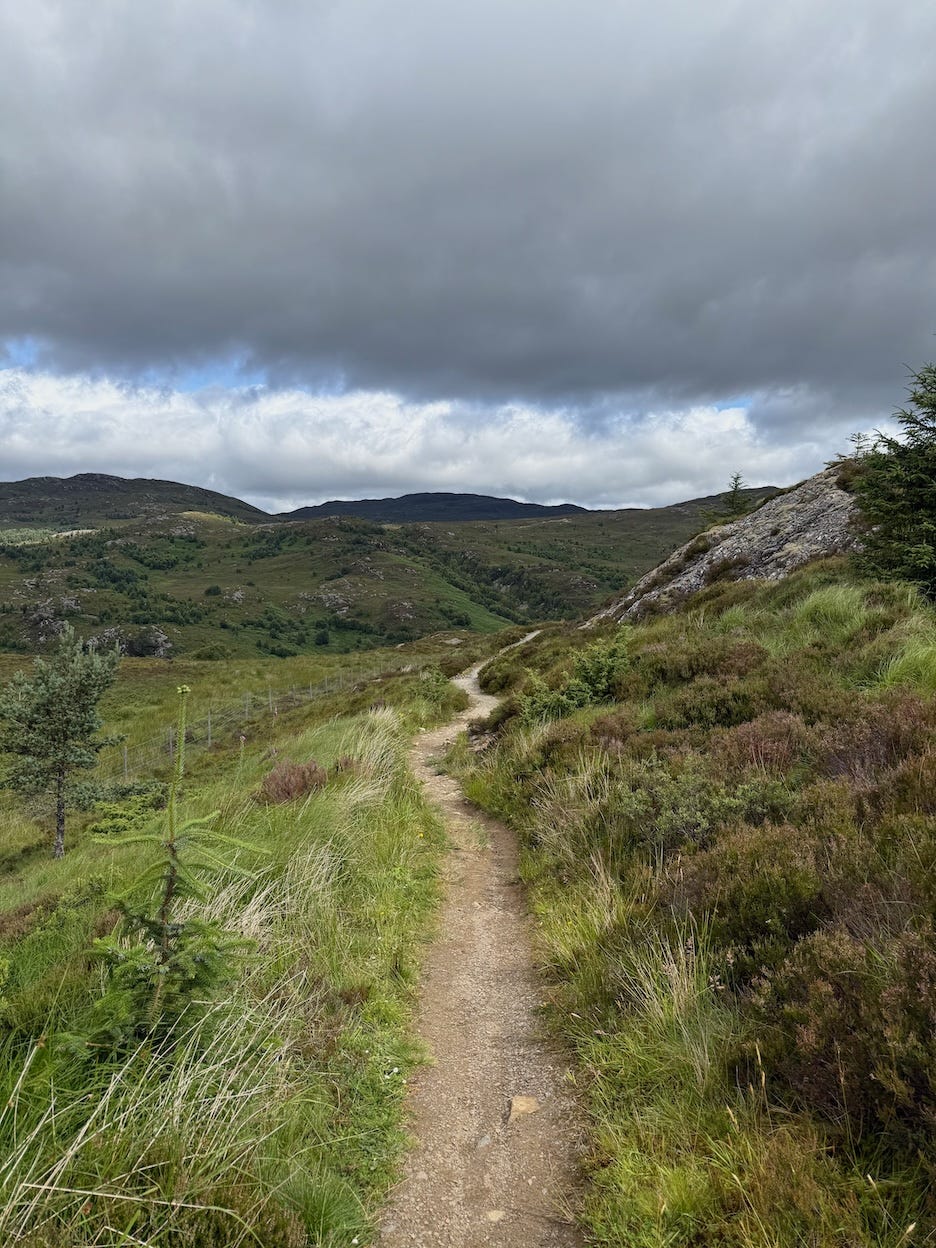
To hike the Great Glen Way across Scotland from Fort William on the western coast to Inverness on the eastern coast is to follow one of the planet’s few natural straight lines for 78 miles. The path, however, sometimes veers from the fault line for woodland rambles and ascents across mountain heath with endless vistas on a clear day.
Kingfisher Journey- Marina Richie is a reader-supported publication. To receive new posts and support my work, consider becoming a free or paid subscriber.
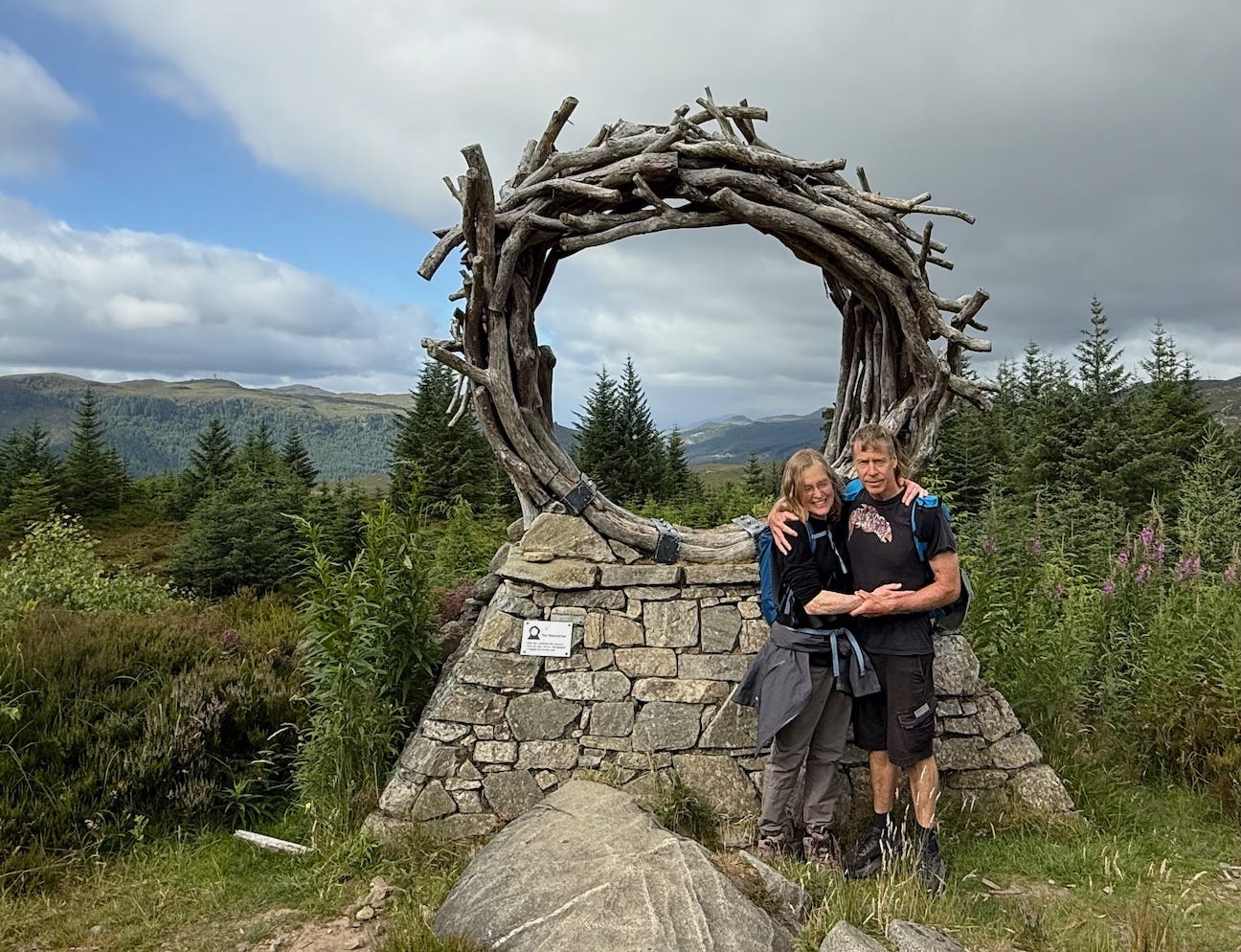
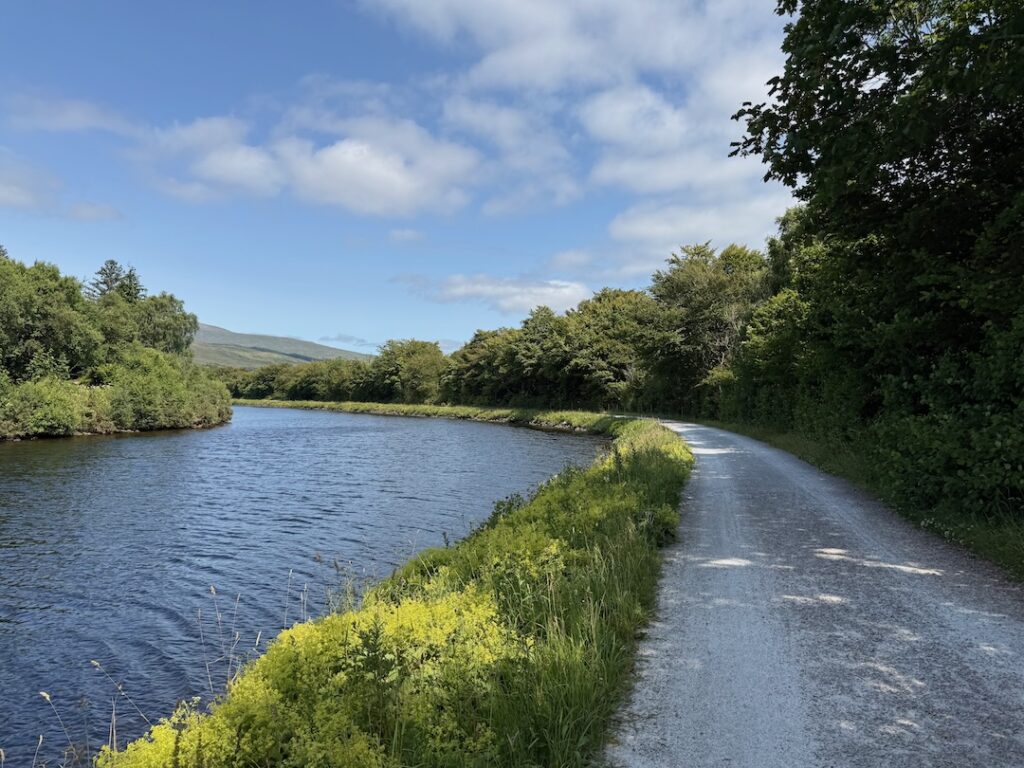
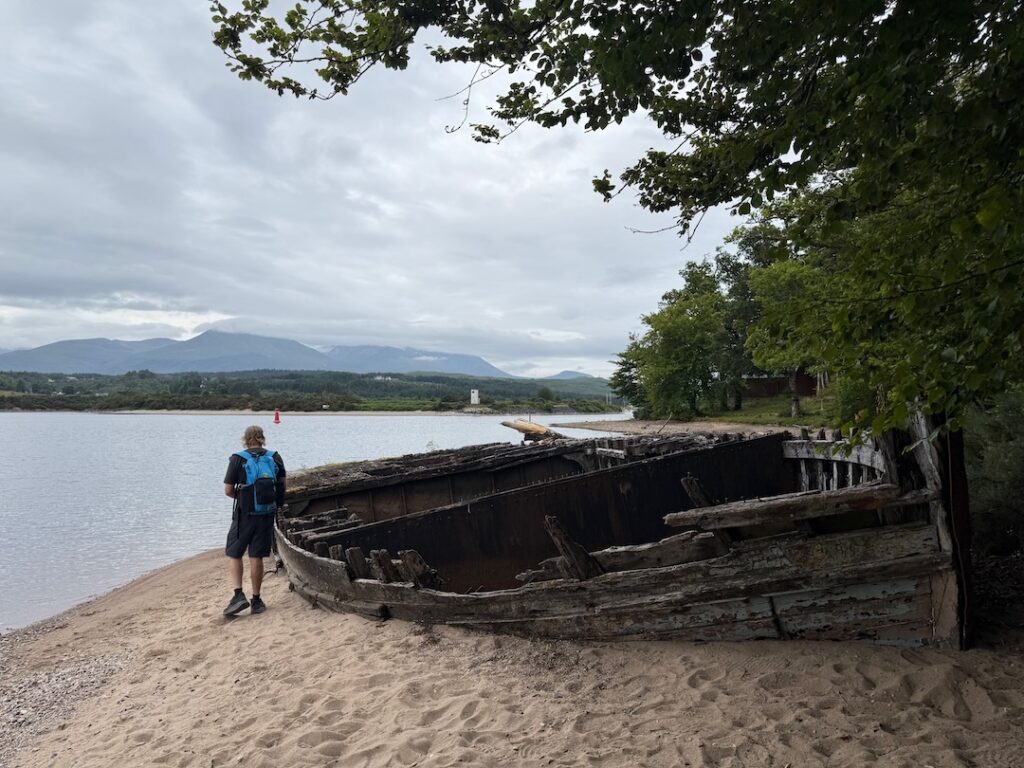
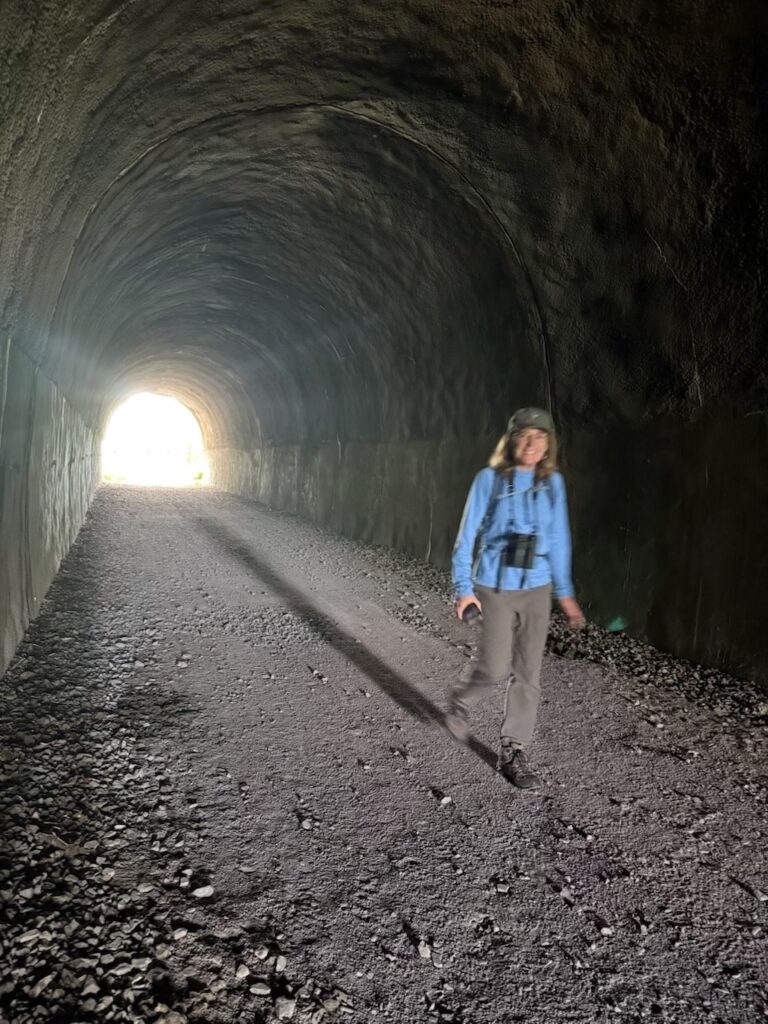
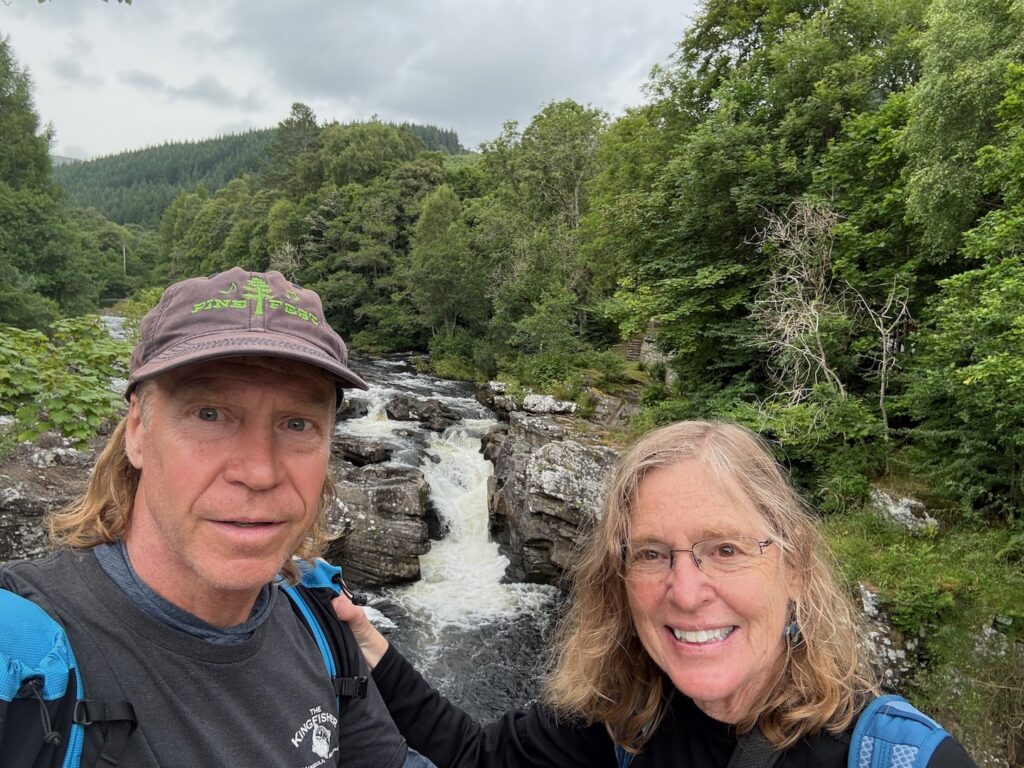
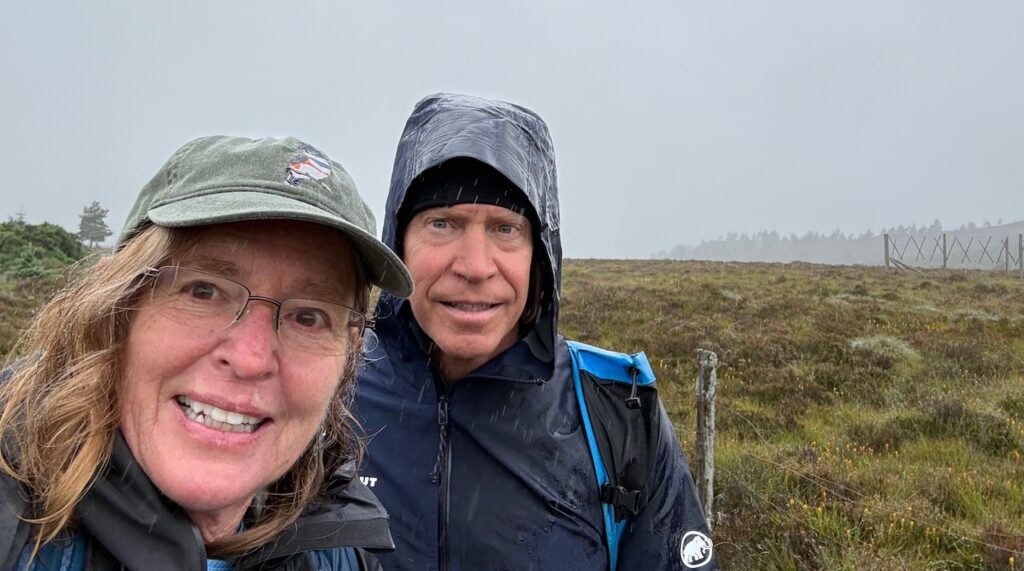
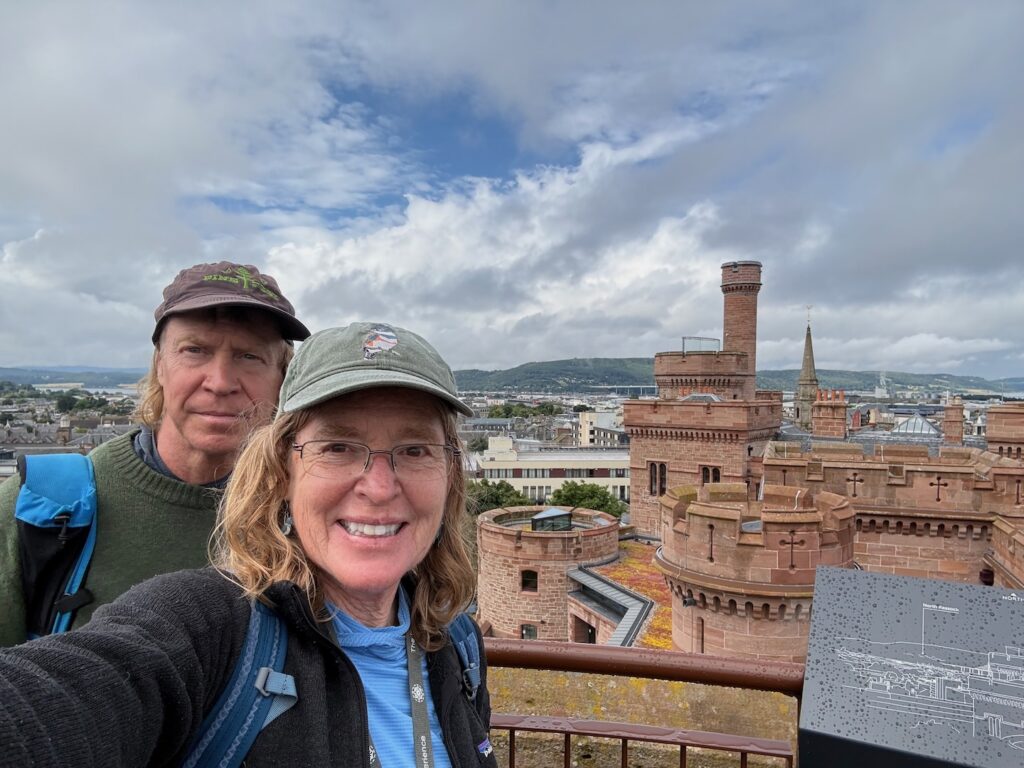
Wes and I took six days on a self-guided trip through Wilderness Scotland—our first time to have our luggage carried from inn to inn. Such luxury! We followed Loch Linnhe, the Caledonian Canal, Loch Lochy, Loch Oich, and Loch Ness. With great good fortune we missed the infamous swarms of midges—thanks to fair skies until the last day, consistent breezes, and good luck.
Upon return in Bend, I feel my legs longing for days where this is all there is to do—hike and hike (with birding and naturalist time essential too). I understand the appeal of long distance hiking—even if we only carried day packs.
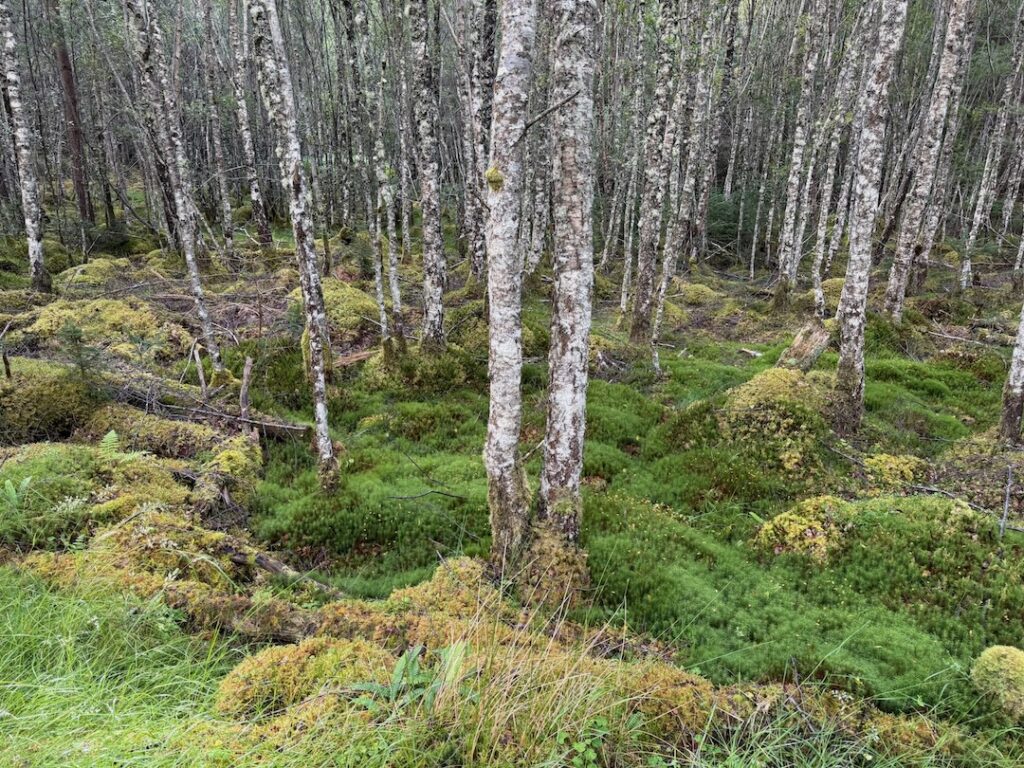
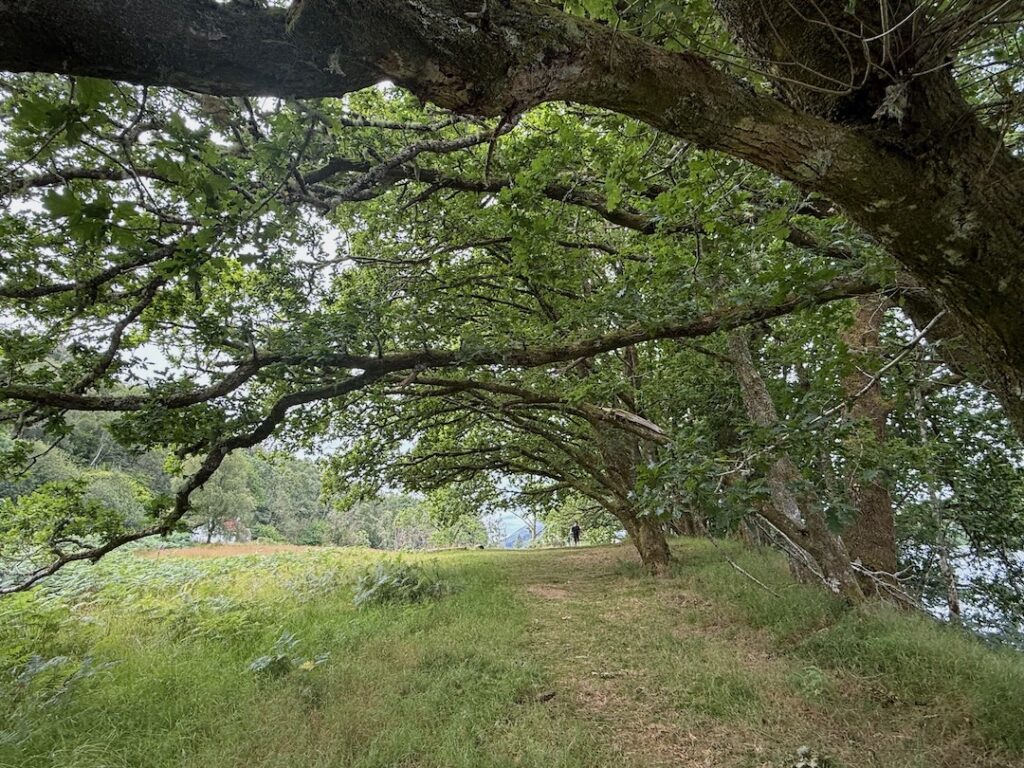
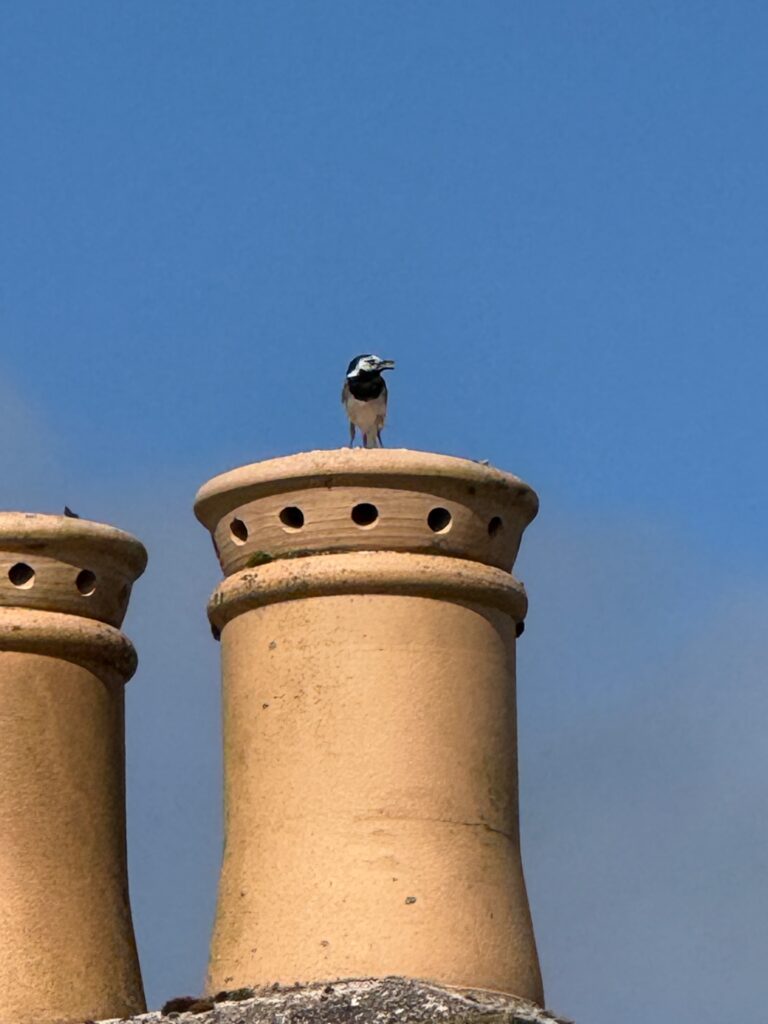
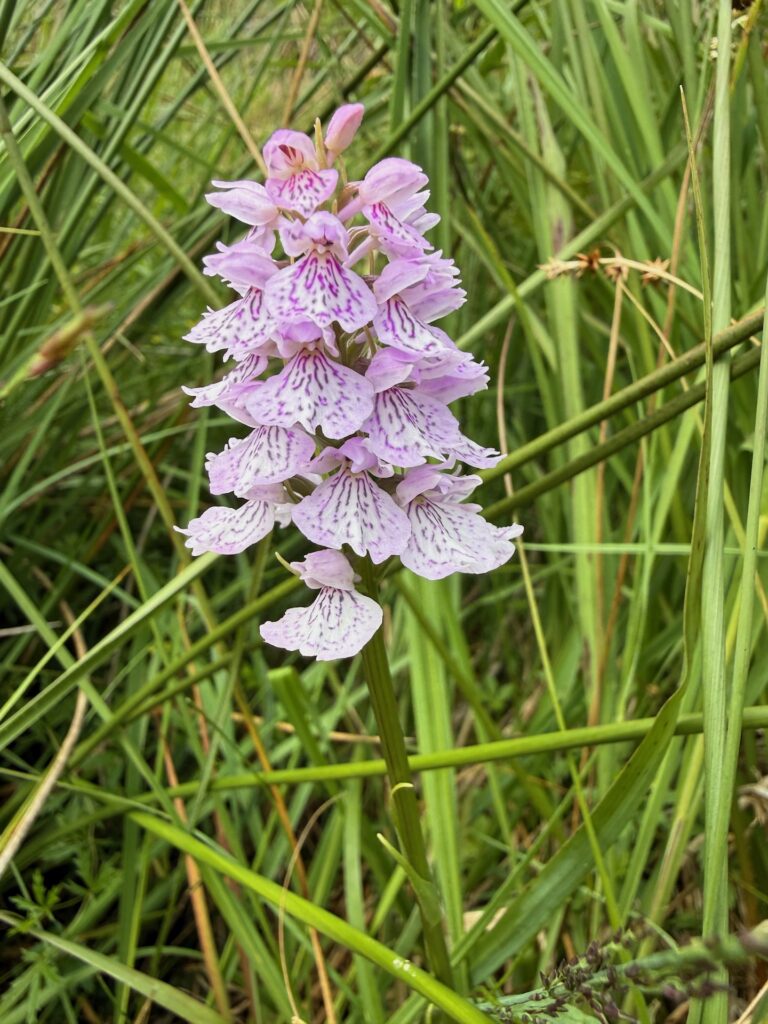
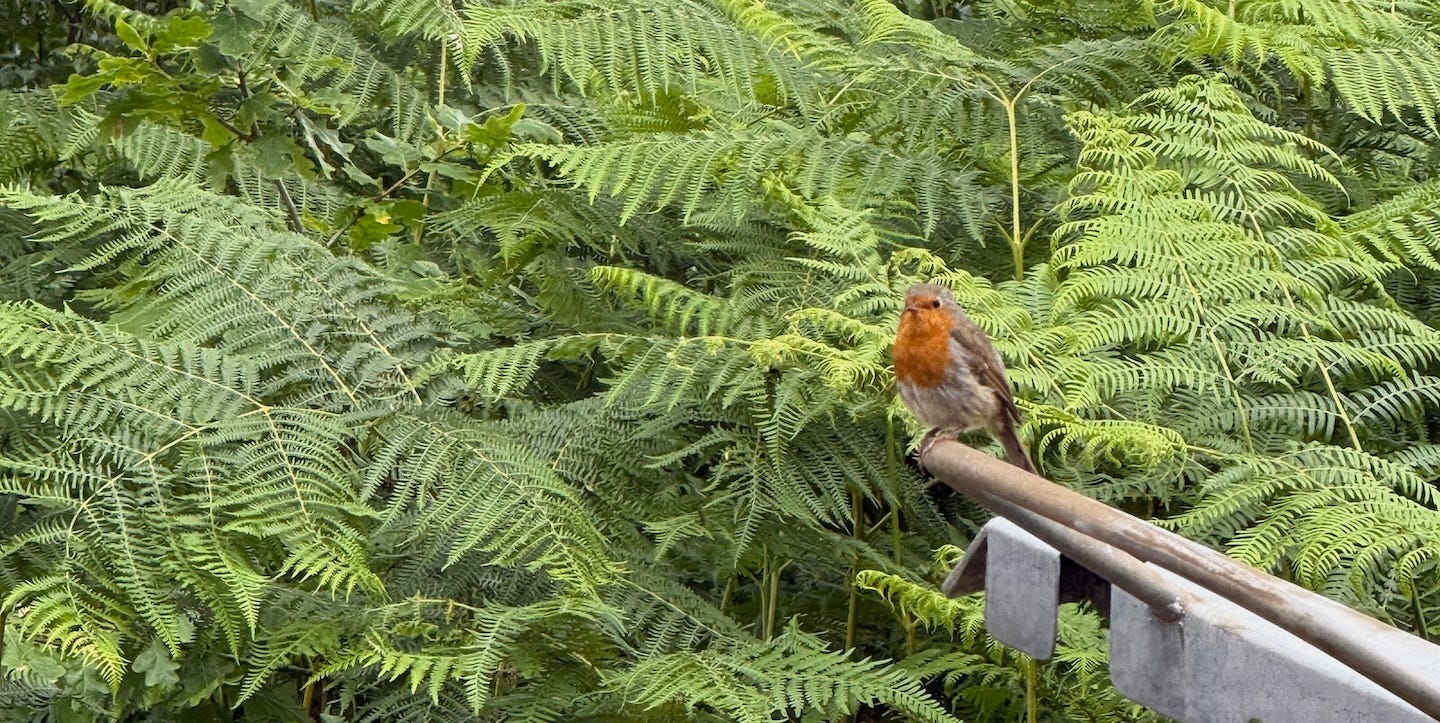
When walking the Great Glen Way, I typically focused on the present moment—this European Robin, this elusive songbird singing, this bee on a thistle flower, this birch grove, this bark texture of oak, beech, elm, ash, pine, or sycamore.
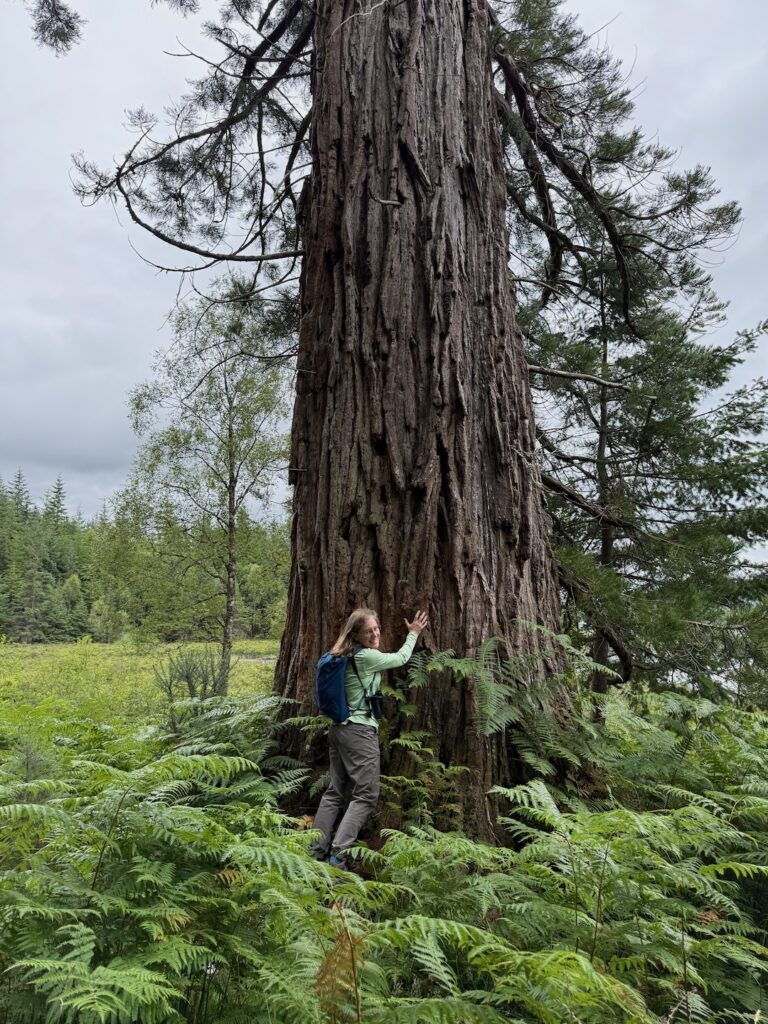
However, my thoughts sometimes wandered off trail and off clock to rewind back to the 1700s of highland clans, the Jacobite uprising, Bonnie Prince Charlie, and times of violence and tragedy witnessed by the oldest Scots pines—remnants of the once great Caledonian forests.
I’d purchased the book Forgotten Forests at the Global BirdFair (where I presented Feathered Forest on July 10th in Oakham, England) and attended the author Jonathan Mullard’s talk. Reading it in evenings along the trail gave me insight into an astonishing 12,000 years of history of forests in relationship to people across the British Isles.
While heartbreaking to learn of the repeated decimation of native forests and their biodiversity from exploitation for agriculture, for dominance over indigenous peoples, and wars including cutting great oak trees during World War II, Jonathan reveals nature’s resilience over time, the trees and groves that persist, and positive stories of protection and renewal.
Forgotten Forest and our journey across Scotland made me realize even more how fortunate we are in North America to still have public lands with suites of keystone species like Pileated Woodpeckers and beavers, and megafauna for healthy ecosystems—from wolves to bears. It’s far easier to protect what remains and continue wilding from there.
I write about Cascadia’s wondrous and threatened wild forests in my book Feathered Forests (preorder here). They support breathtaking bird diversity, from threatened Marbled Murrelets nesting in the high branches of enormous Sitka spruce on the Pacific Northwest coast to Varied, Swainson’s, and Hermit Thrushes singing chords and passages of exquisite beauty.
Will we save what’s left? Will we act in time? There’s nothing like international travel to realize what we must never take for granted. And from travel away, we return, too, with a depth of gratitude for the new landscapes, cultures, traditions, and inhabitants we have met, and for new ways of living that inspire.
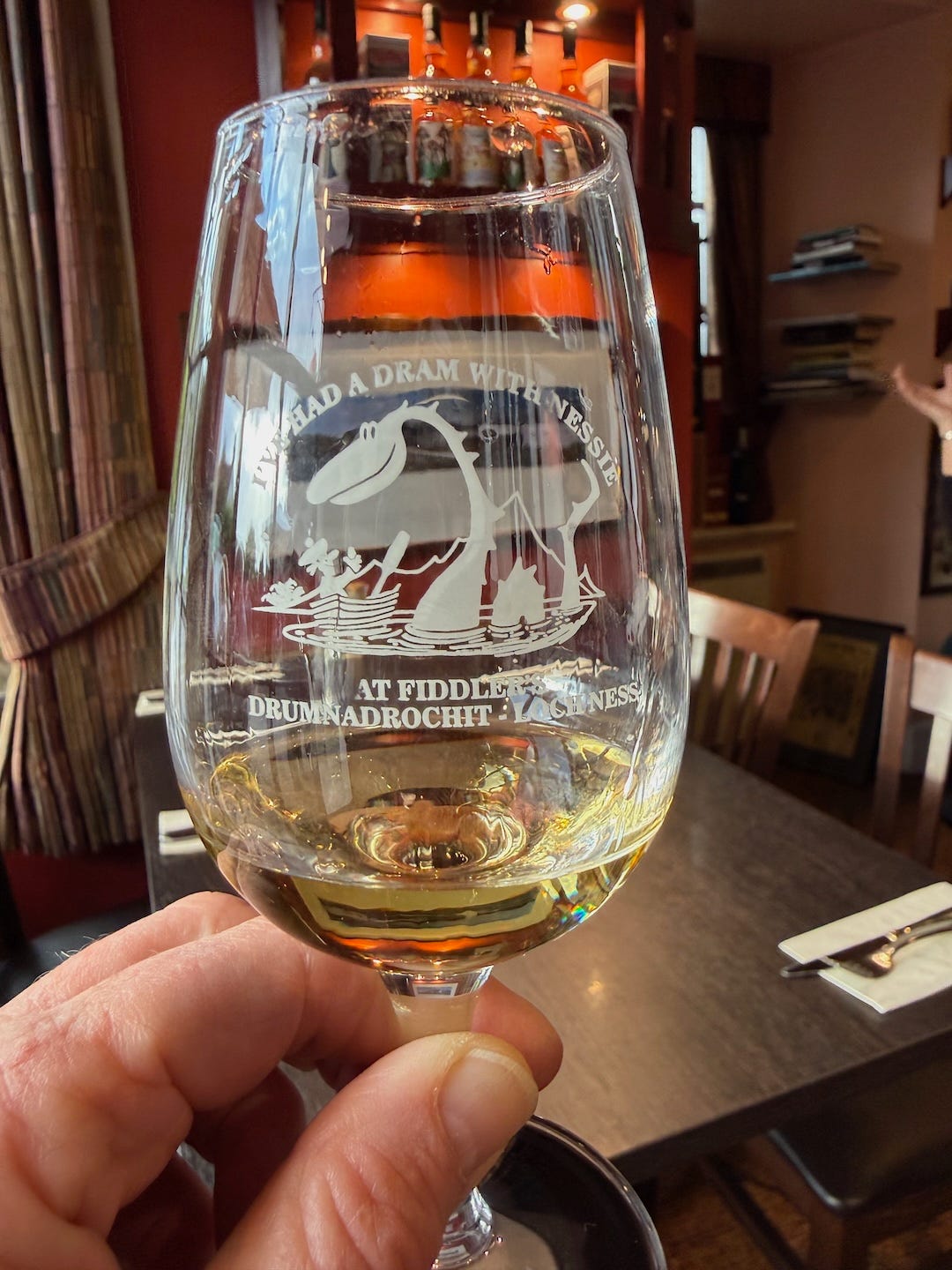
For example, Wes and I LOVE Scottish accents, and I especially savored the single malt whisky and cask ales. And oh yes—no one seems to be a climate denier and everywhere are signs of forward progress toward a greener way of living—electric cars, trains, and buses, energy-saving water and electric devices that would be so simple to do here, and solar panels on houses dating to the 1200s.
The day before we set off on our six day trek, we took a taxi up to Glencoe, a half-hour up to a wild valley with sheer cliffs and peaks. Our driver was a retired shepherd (a first for us for a taxi driver’s former profession!) who spent years tending sheep with his well-trained border collies. It was worth the extra cost to hear his Scottish brogue and his take on the Glencoe Massacre of 1692. We caught a cheap all electric bus on our return. (Check out Ember, the first all-electric intercity bus service in the UK).
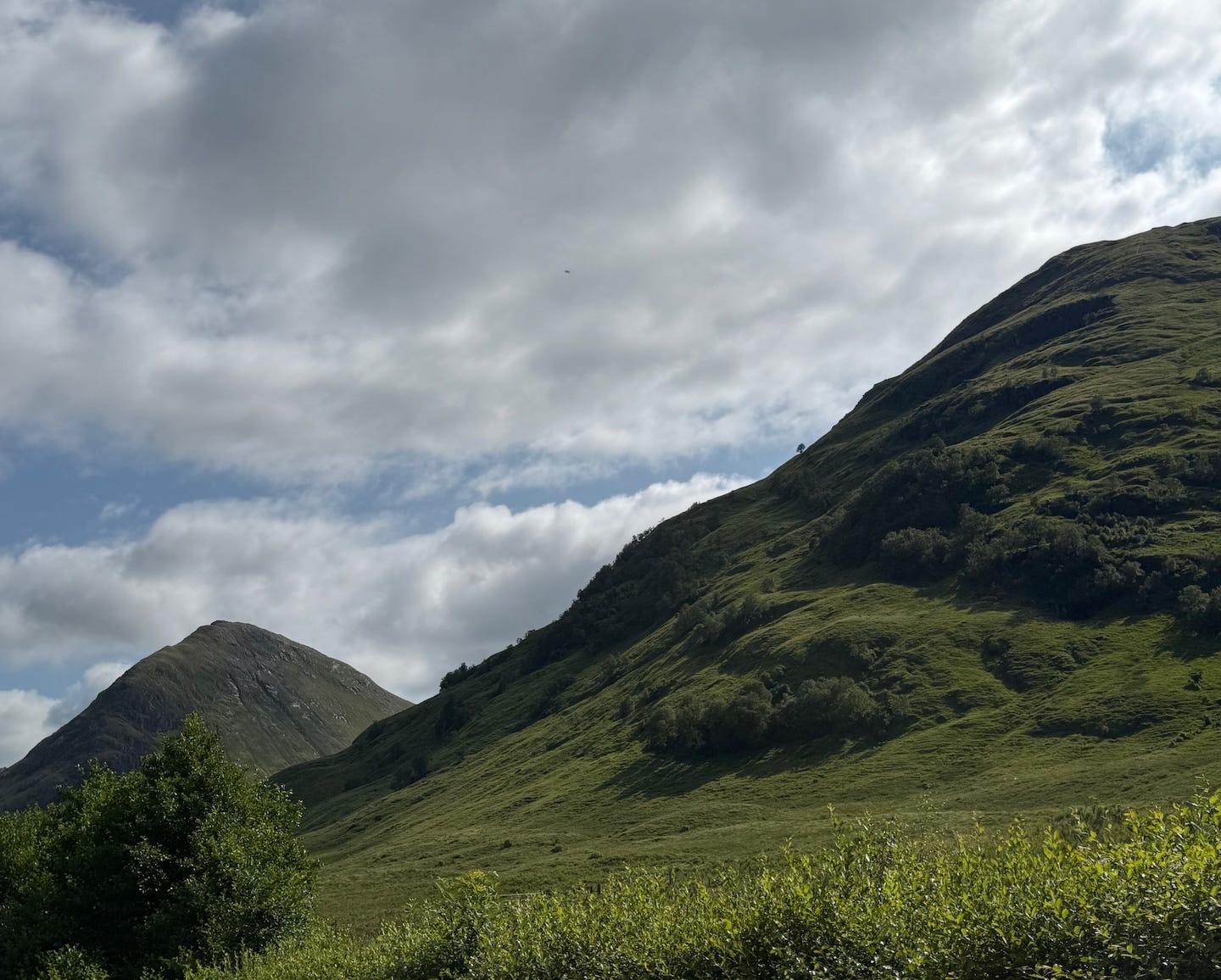
I tried to keep a low profile that day in Glencoe. My family lineage on my mother’s side through her father traces back to the Argyll Campbells. My mother’s maiden name was Campbell. Unfortunately, members of that clan carried out an order from the English government to murder the MacDonalds in their beds. Our driver said the MacDonalds were also infamous for thieving and raiding cattle from other clans, including the Campbells. Still—no excuse! There are those in the Scottish highlands who say, “I will never shake the hand of a Campbell.”
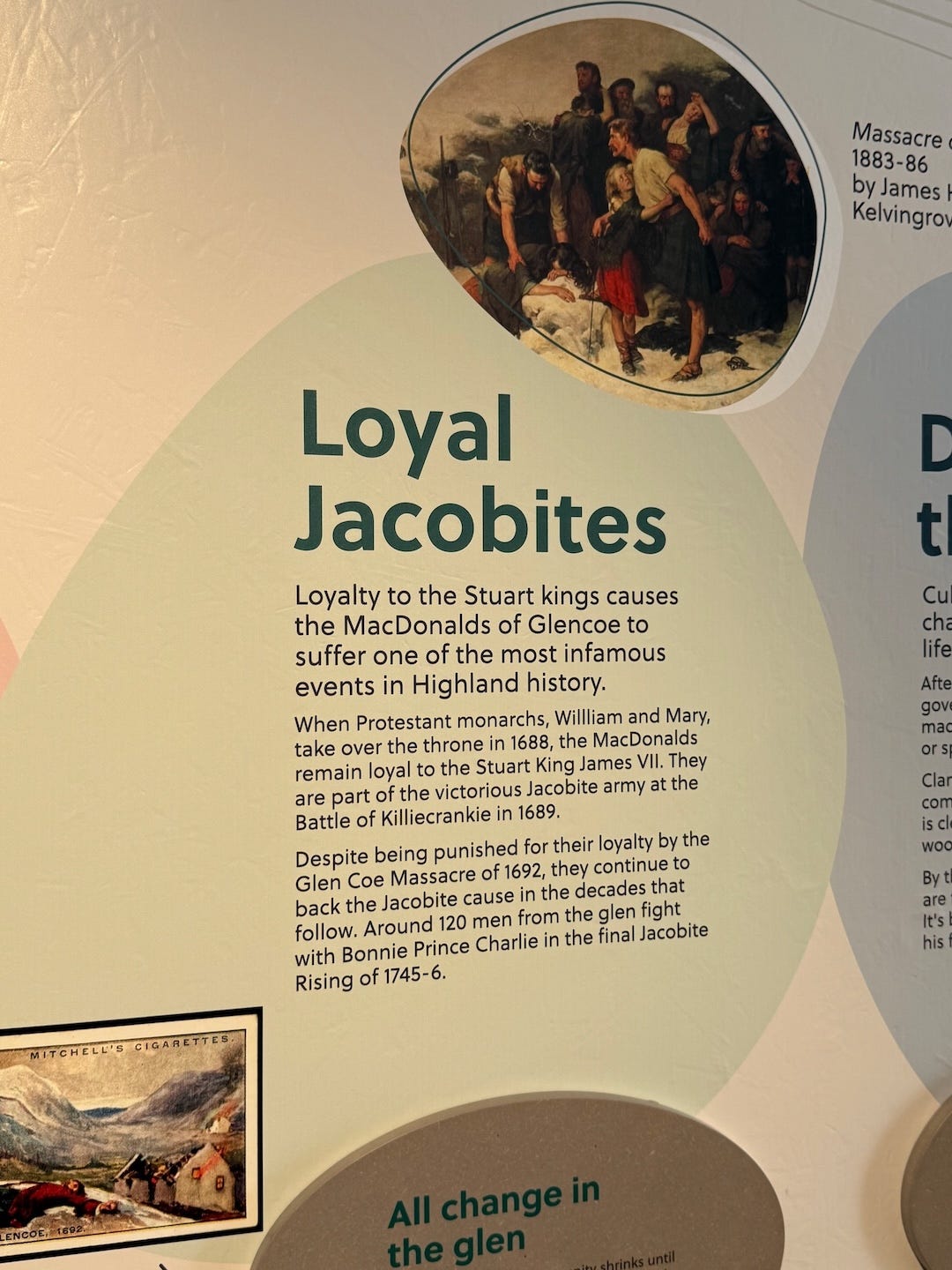
The tragic story of the Jacobite Uprising to protest the English takeover and to reinstate the Scottish king is one repeated in various versions across the world—of rising up against a dominant power wiping out cultures tied to the land. to try to save homelands, and prevent plunder—in this case by imposing massive numbers of sheep where before smaller numbers of highland cattle grazed.
The “Highland Clearances” were devastating—a time of yanking clans from their roots. The land holds layers of tragic stories from earlier times, too, and still the beauty persists and in Scotland there is a strong movement I love—Rewilding. It’s vital and supported by the government. Some call is Wilding—a name that embraces all efforts for what sustains this planet in the way of E.O. Wilson’s call for protecting half the Earth in wildness.
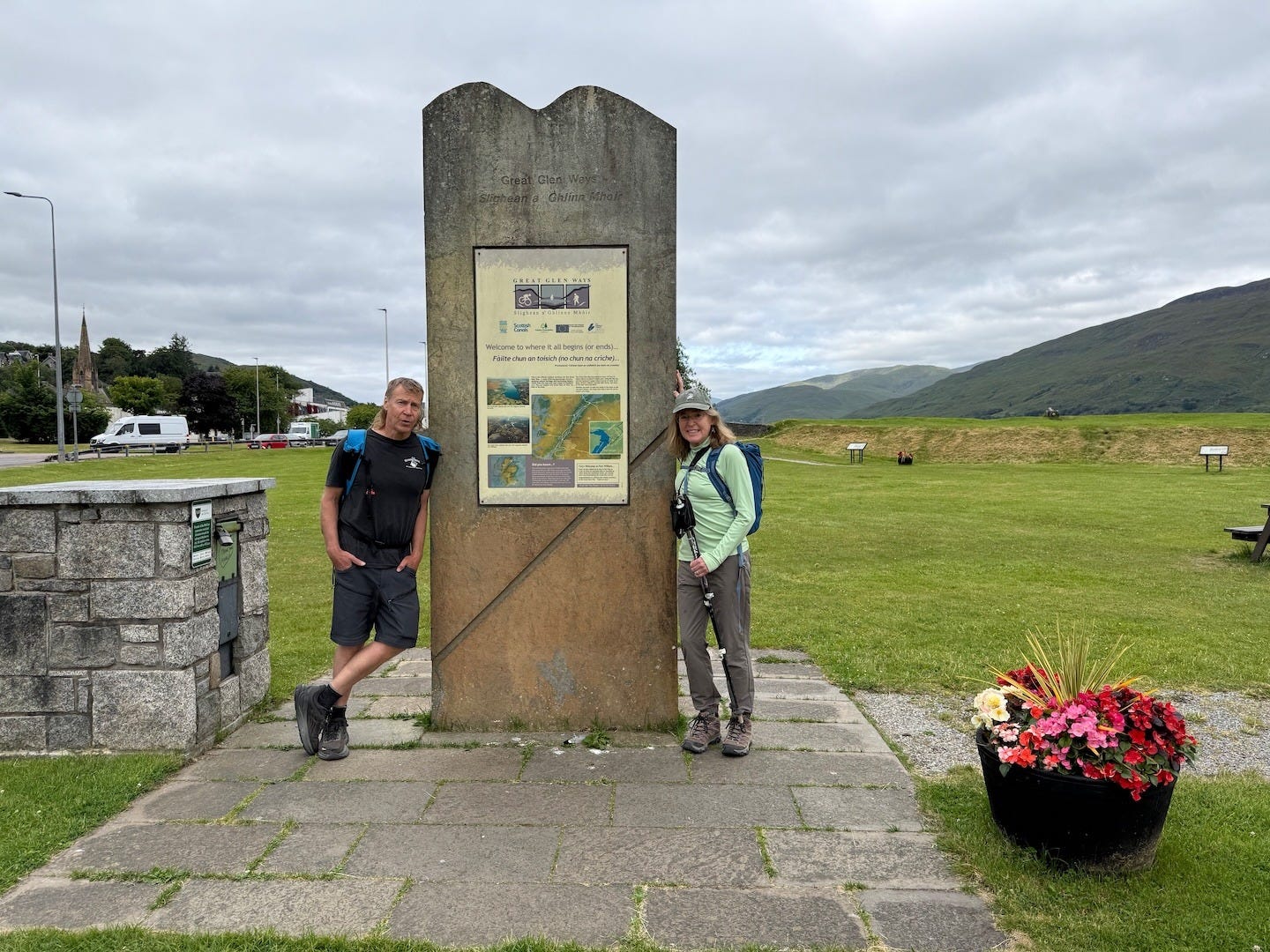
Our day in Glencoe set the stage for our hike across the highlands. While contemplative about my past, I also felt a particular joy in walking after struggles with a hamstring injury and lower back issues that have plagued me for much of the past year. I learned the art of slowing down to Wes’s natural pace of two miles an hour, of deep breathing, and every day I grew stronger.
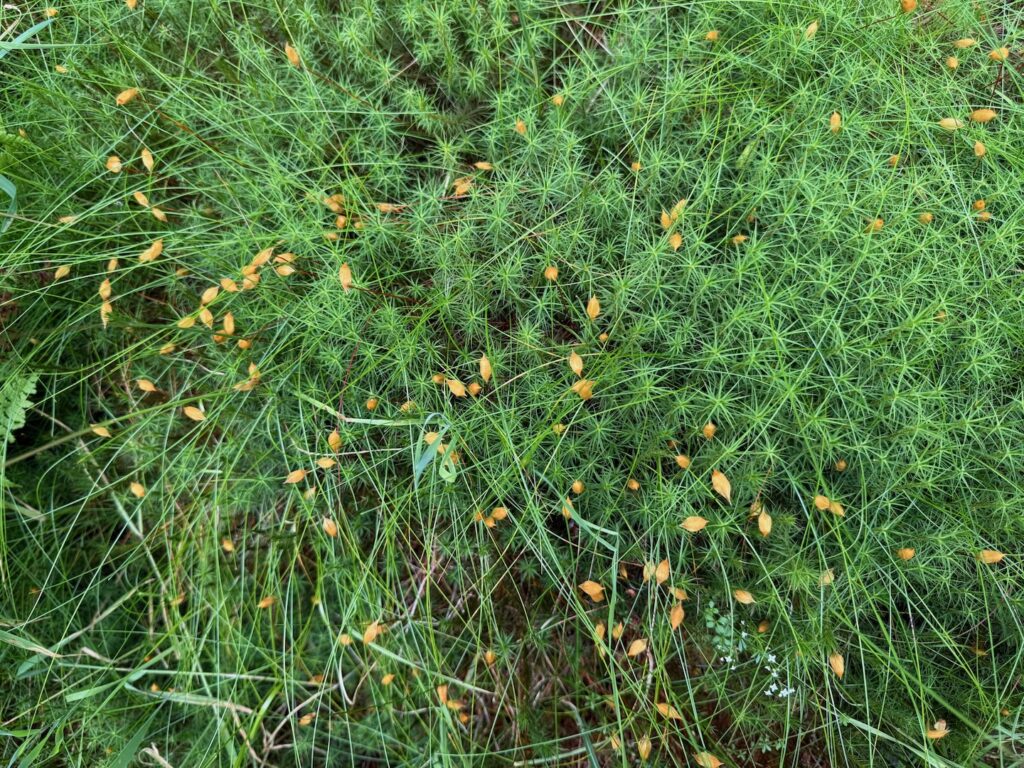
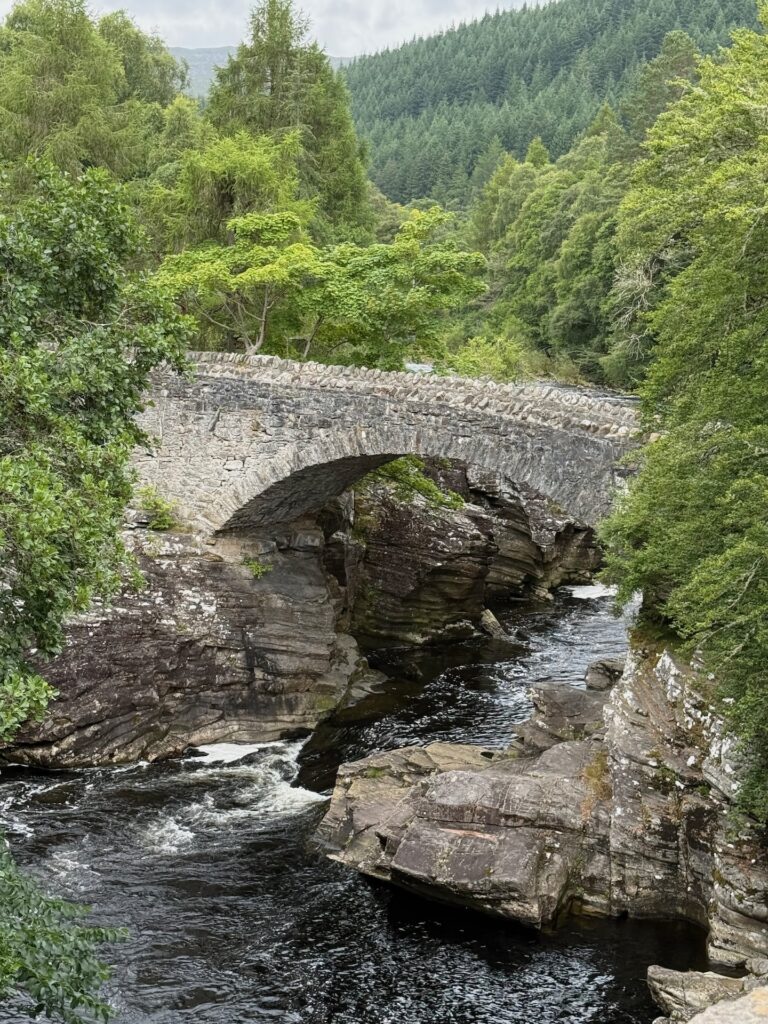
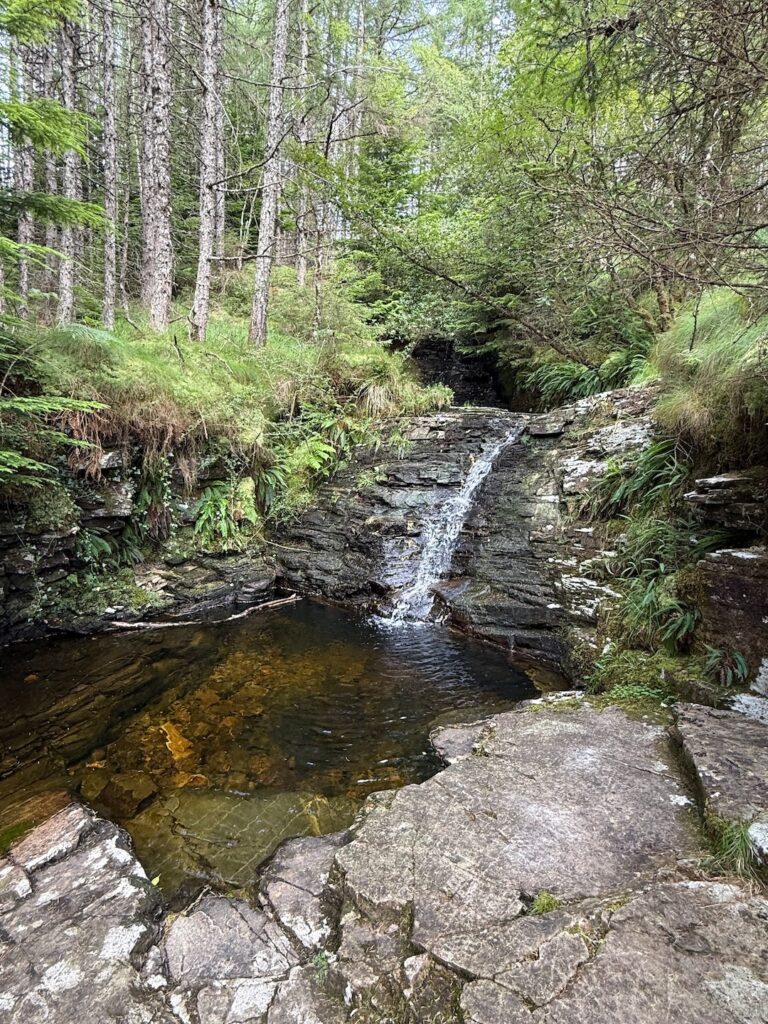
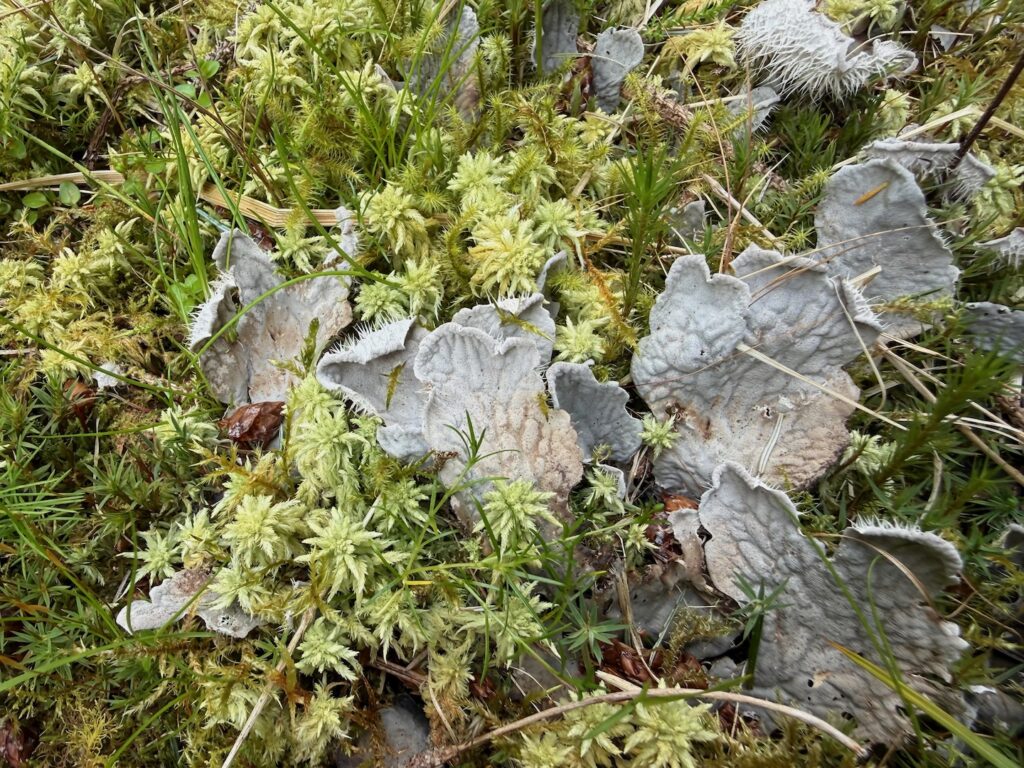
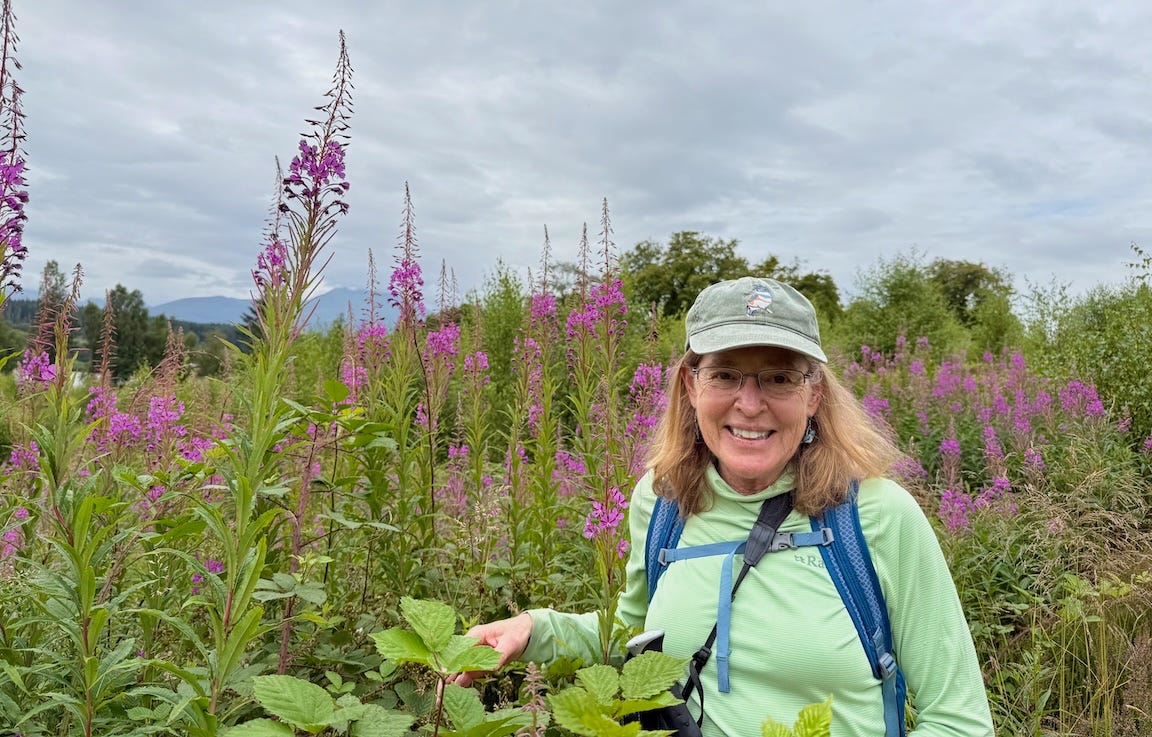
I took time to marvel at sensuous soft mosses caressing stone walls, to pause at every stream and small waterfall, to seek the songbirds whisking among birch trees, and to find the familiar in the unfamiliar. Eurasian Siskins sound and look like Pine Siskins—except much brighter yellow. Goldcrests remind me of Golden-crowned Kinglets. Coal Tits are like Black-capped Chickadees until you hear them sing—and my can they conjure up melodies— a Scottish lilt? And in some cases, the very same plants that I know in Oregon grow naturally in Scotland, like fireweed.
Home now among my familiar birds washing their feathers in bird baths under smoky skies, I feel invisible lines linking me thousands of miles away to Scotland, to some of my ancestry, and to a feeling of being a global citizen while rooted in my home place.
In my prior book, Halcyon Journey: In Search of the Belted Kingfisher, I wrote of Salish elder Louis Adams telling me that for his people who wandered far to hunt and gather that “everywhere was home.” I’ve taken that to heart —wondering how our world would be if we treated everywhere we go as home —precious.
Thank you for reading, sharing, subscribing to my Substack, signing up for my E-News on my website, and preordering Feathered Forest: Aloft with Birds in Ancient Trees before the September 8th release date. (Note-The more orders from the big three–Bookshop.org (supports independent bookstores), Amazon, and Barnes & Noble— the better for getting my book out into the world).
As promised, more photos from the Great Glen Way.